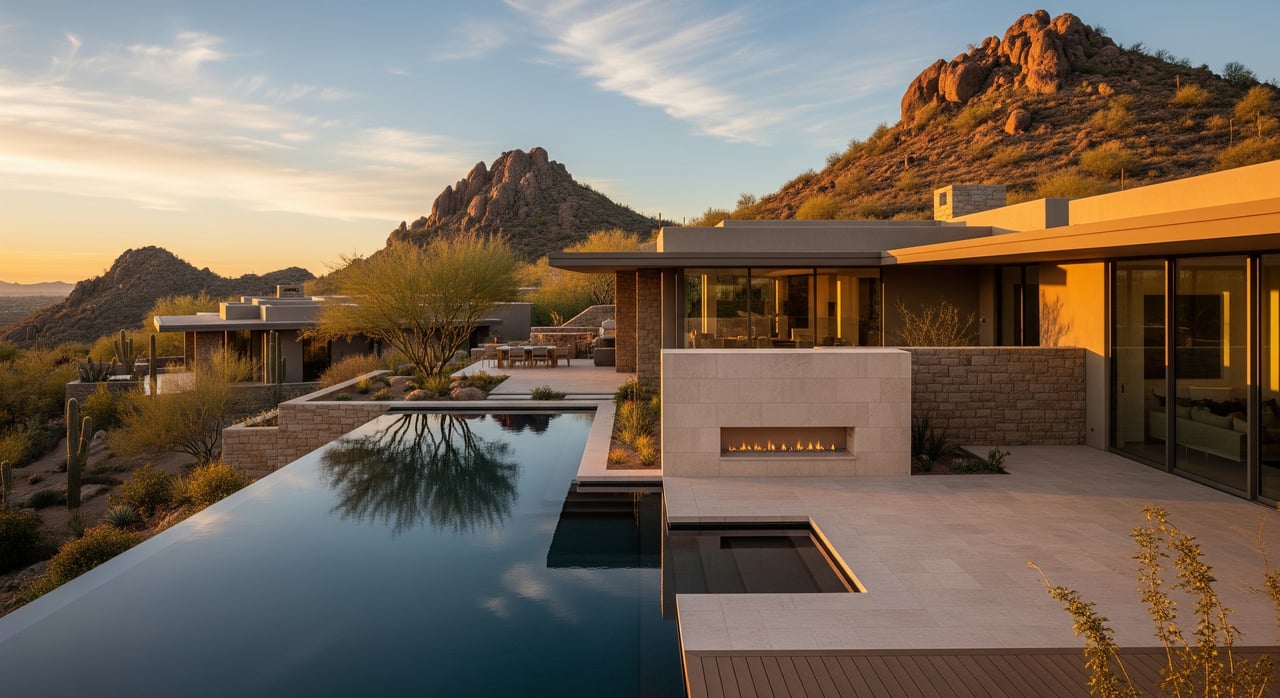
Torn between a quiet desert retreat and a lively resort town for your second home? You are not alone. Many buyers look at Paradise Valley and Scottsdale and see two great options with very different strengths. In this guide, you will learn how these markets compare on lifestyle, rental potential, carrying costs, financing, and resale so you can choose with confidence. Let’s dive in.
Quick snapshot: how the markets differ
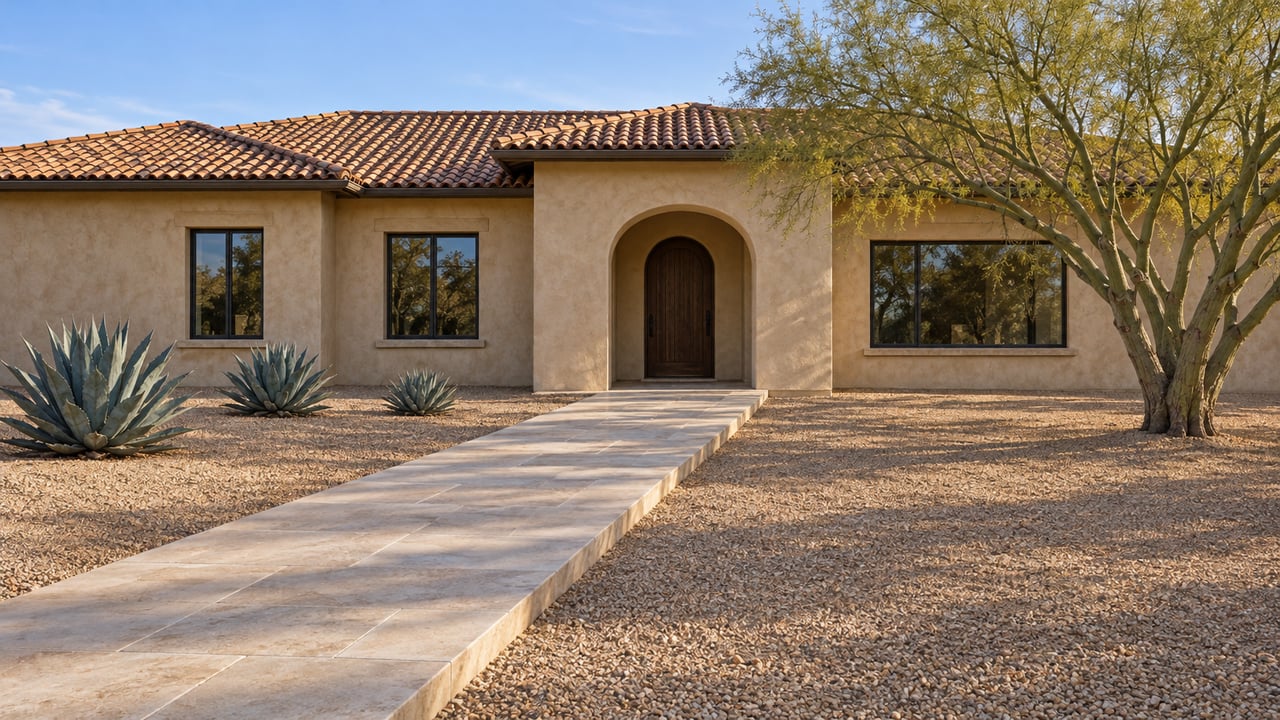
- Paradise Valley: Small, residential, and ultra‑luxury. Large lots, custom estates, and privacy are the norm. Inventory is limited and skewed to high price points.
- Scottsdale: Large and diverse. Options range from condos and townhomes to golf communities and luxury estates. Broader price spectrum and more inventory turnover.
- Second‑home use: Paradise Valley suits long stays and retreat living. Scottsdale caters to active lifestyles and often stronger short‑term rental demand in the right areas.
- Resale: Scottsdale’s variety attracts wider buyer pools. Paradise Valley resale is more niche and tied to luxury demand.
Who each location fits best
Paradise Valley is ideal if you want
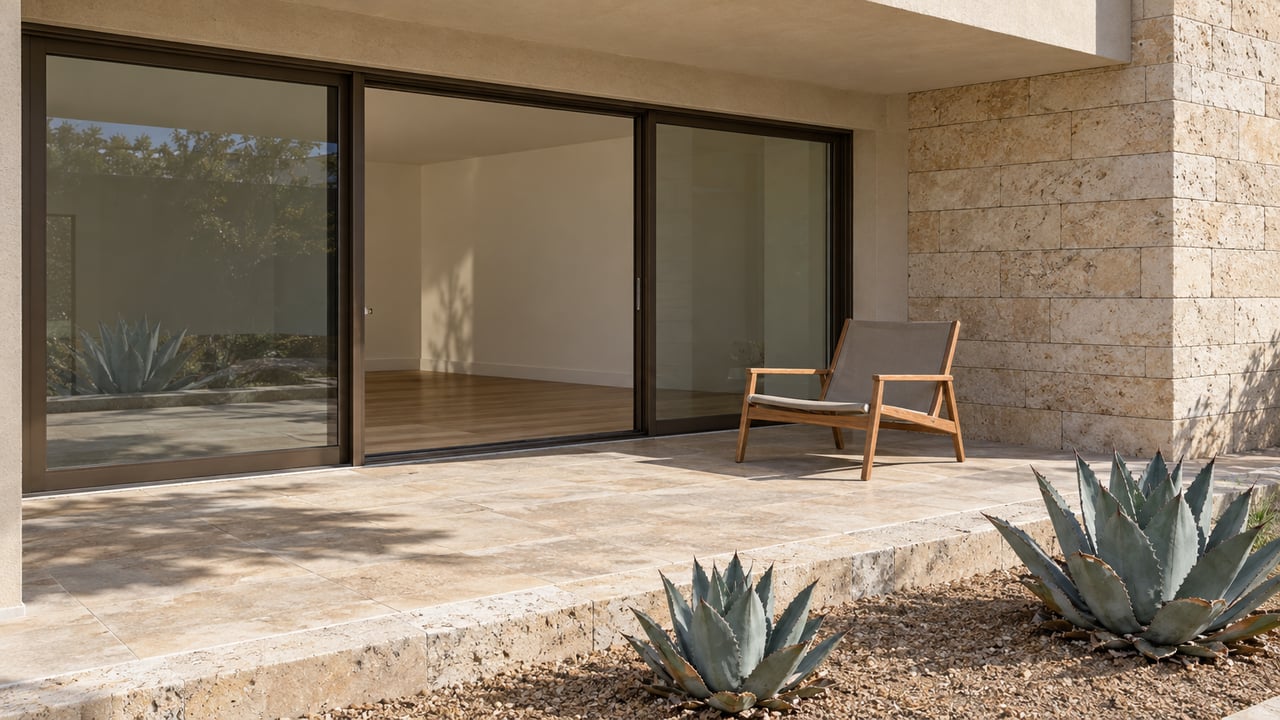
- Privacy, seclusion, and estate‑style living with mountain views.
- Larger lots and custom architecture with resort‑level features.
- A quiet base for longer seasonal stays rather than frequent guest turnover.
- The ability to absorb higher purchase and maintenance costs.
Scottsdale is ideal if you want
- Walkable dining, arts, nightlife, and events, especially around Old Town.
- Golf community options and resort‑area convenience with guest services.
- A wider range of budgets and property types, including condos and townhomes.
- A second home with potential for short‑term or mid‑term rental income, subject to local rules.
Lifestyle and convenience
Both markets provide easy access to golf, hiking, and desert scenery. Travel to Phoenix Sky Harbor International Airport is convenient from most neighborhoods in either location, though exact times depend on traffic and the specific community.
- Paradise Valley: Expect a quieter, resort‑like atmosphere with private dining, spas, and scenic trailheads nearby. Walkable retail cores are limited, which is part of its appeal if you value serenity.
- Scottsdale: A robust tourism ecosystem supports galleries, shopping, restaurants, and frequent cultural and sporting events. You will find more walkable districts and guest‑friendly services, especially near Old Town and along the resort corridor.
Second‑home numbers that matter
Financing and loan type
- Conventional second‑home loans are widely available. Down payment expectations are often higher than primary homes.
- Jumbo financing is more common in Paradise Valley due to higher price points and can involve stricter qualifications, higher credit standards, and larger reserve requirements.
- Investment loans may be required if frequent renting is planned; underwriting and down payment needs differ from second‑home loans.
Property taxes and lodging taxes
- Arizona property tax rates tend to be below the national average, but absolute tax bills track with assessed value. Higher assessed values in Paradise Valley often result in larger annual bills even if rates are similar across the county.
- Short‑term rentals and hotel stays are subject to state and local lodging taxes. Requirements vary by municipality and are subject to change. Check current guidance with the relevant city or town and the state revenue department before purchase or hosting.
Insurance, utilities, and HOA costs
- Insurance costs reflect replacement value, home age, and risks like wind, hail, or proximity to foothills. High‑value estates may require specialty coverage or umbrella policies.
- Large lots, pools, and landscape lighting can raise utilities and water costs. Seasonally heated pools and irrigation increase carrying costs.
- Many communities have HOAs and CC&Rs that can affect rental rules, exterior changes, and operating costs. Resort and golf communities often carry higher fees.
Short‑term rental outlook
Scottsdale at a glance
- Scottsdale has established STR regulations that include registration and compliance steps. The city’s tourism infrastructure, walkable districts, and resort corridor often support stronger and steadier demand for short‑term or mid‑term rentals.
- Occupancy and pricing vary by neighborhood and season. Professional management can improve compliance and guest experience.
Paradise Valley at a glance
- Paradise Valley’s residential zoning and small‑town character mean commercial uses are more limited in many areas. STRs may be restricted or require specific approvals.
- Ultra‑luxury estates can command high nightly rates but may experience lower overall occupancy because the guest pool is narrower.
What to verify before you buy
- Confirm zoning and the legality of STRs with the city or town planning department.
- Review HOA and CC&R rules for rental limits, minimum stays, and approval processes.
- Understand lodging tax registration and remittance requirements for your property.
- Obtain insurance quotes for homeowners, umbrella, and any needed specialty coverage.
- Conduct a rental market analysis for occupancy, seasonality, and pricing using current data sources or a local manager.
Budget and property types
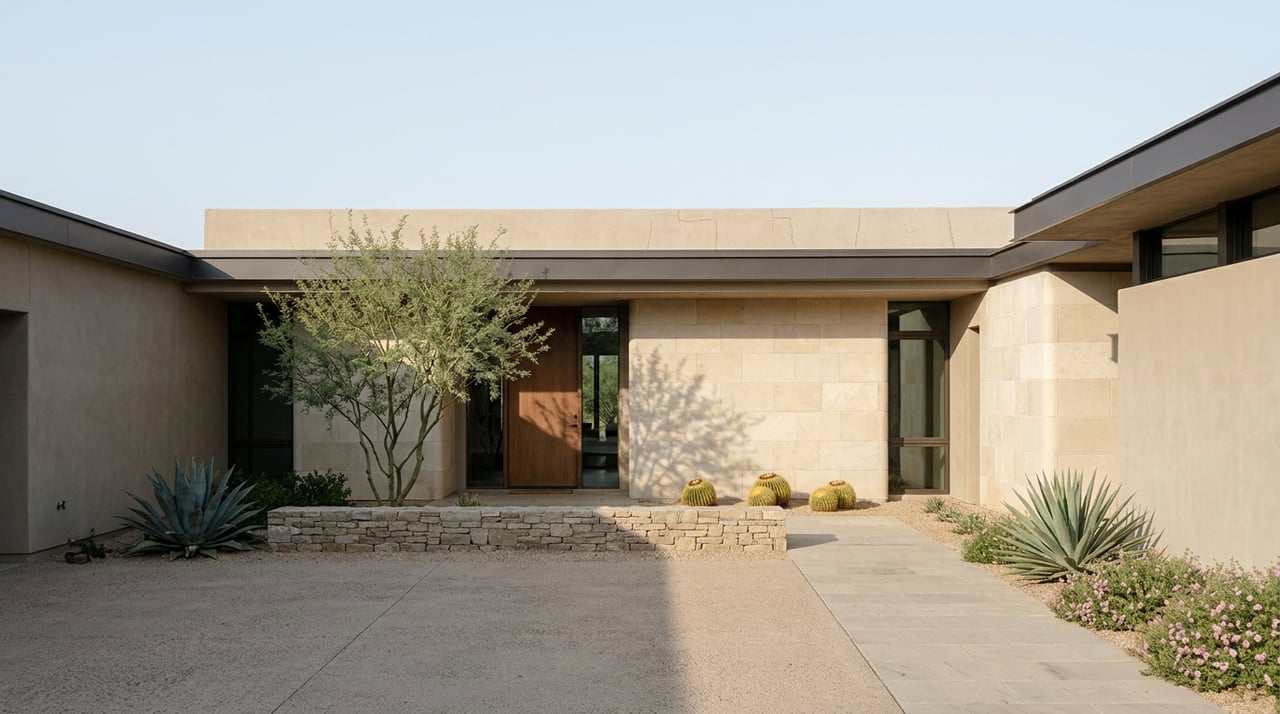
- Paradise Valley: Predominantly multi‑million‑dollar custom estates on large lots, often with mountain views and resort‑style amenities. Inventory is limited, and competition for standout properties can be strong.
- Scottsdale: Wide selection, including Old Town condos and lofts, townhomes, traditional single‑family neighborhoods, golf communities in North Scottsdale, and luxury desert estates. This breadth allows you to match property type and price to your second‑home goals.
Neighborhood notes in Scottsdale
- Old Town: Walkable dining, nightlife, and arts. Strong appeal for buyers who want an active scene and guest‑friendly services.
- North Scottsdale / Grayhawk / McDowell area: Golf communities, gated options, and mountain views with a more residential feel.
- Scottsdale Ranch / Gainey Ranch / McCormick Ranch: Lakes, parks, and golf with established neighborhoods. Often attractive for longer seasonal stays.
- Resort corridor along Scottsdale Road: High concentration of hotels and guest services that support hosting and easy access to amenities.
Resale and liquidity
- Scottsdale: Greater variety means broader buyer pools when you sell. Liquidity is typically stronger in popular price bands and established submarkets.
- Paradise Valley: Resale depends on luxury demand and the unique character of each estate. The buyer pool is more selective, and timing can matter.
Seasonality and operations
- Peak season runs from late fall through spring, when snowbird and event demand is highest. Summer tends to be slower for guest stays.
- If you plan to host guests, budget for professional property management, cleaning, landscaping, pool care, utilities, and routine maintenance. Full‑service STR management fees can be a meaningful portion of revenue, and luxury estate management often carries premium pricing.
How to choose: a simple decision guide
Use this shortlist to align your second‑home plan with the right location:
- Rank your priorities
- Privacy and large lots
- Walkability and nightlife
- Golf community access
- STR income potential vs. personal use
- Clarify your budget and loan type
- Confirm whether you will need jumbo financing and reserve requirements.
- Compare HOA, utilities, and insurance across finalist properties.
- Confirm rules before you commit
- Check STR and lodging tax rules with the city or town.
- Review HOA and CC&Rs for rental and design restrictions.
- Model ownership costs
- Include taxes, insurance, utilities, management, and seasonal maintenance.
- If hosting, run a conservative rental analysis for occupancy and rates by neighborhood.
- Think ahead to resale
- In Scottsdale, identify submarkets with steady buyer demand.
- In Paradise Valley, assess the estate’s uniqueness, view corridors, and long‑term appeal.
Work with local advisors you trust
You deserve clear guidance tailored to how you plan to use the home. As a boutique husband‑and‑wife team with deep roots in Scottsdale and Paradise Valley, we help you compare neighborhoods, confirm rules, and position your purchase for enjoyment and long‑term value. From property tours to due diligence and closing coordination, we bring a calm, consultative approach to complex decisions. Ready to explore the right fit for your second home? Connect with the Kapanicas Group to schedule your free market consultation.
FAQs
What is the main difference between Paradise Valley and Scottsdale for second homes?
- Paradise Valley offers privacy, large lots, and luxury estates with limited inventory, while Scottsdale offers a wider range of property types, budgets, and closer access to dining, arts, and events.
How do short‑term rental rules compare between the two?
- Scottsdale allows STRs with registration and compliance steps, while Paradise Valley’s residential zoning often limits commercial activity; always confirm current rules with the local planning department before buying.
Are property taxes significantly different between Paradise Valley and Scottsdale?
- Tax rates are similar across Maricopa County, but higher assessed values in Paradise Valley usually mean larger absolute tax bills even if rates are comparable.
Will I likely need a jumbo loan in Paradise Valley?
- Yes, many Paradise Valley homes fall into jumbo loan territory, which can involve stricter qualification standards and larger reserve requirements than conventional loans.
What seasons bring the most demand for vacation stays in Scottsdale?
- Winter and spring typically see the strongest demand due to snowbird and event activity, while summer is slower for occupancy.
What due diligence should I complete before purchasing a second home here?
- Verify STR legality and lodging tax steps, review HOA and CC&Rs, get insurance quotes, assess utilities and maintenance needs, and perform a neighborhood‑level rental market analysis if you plan to host.