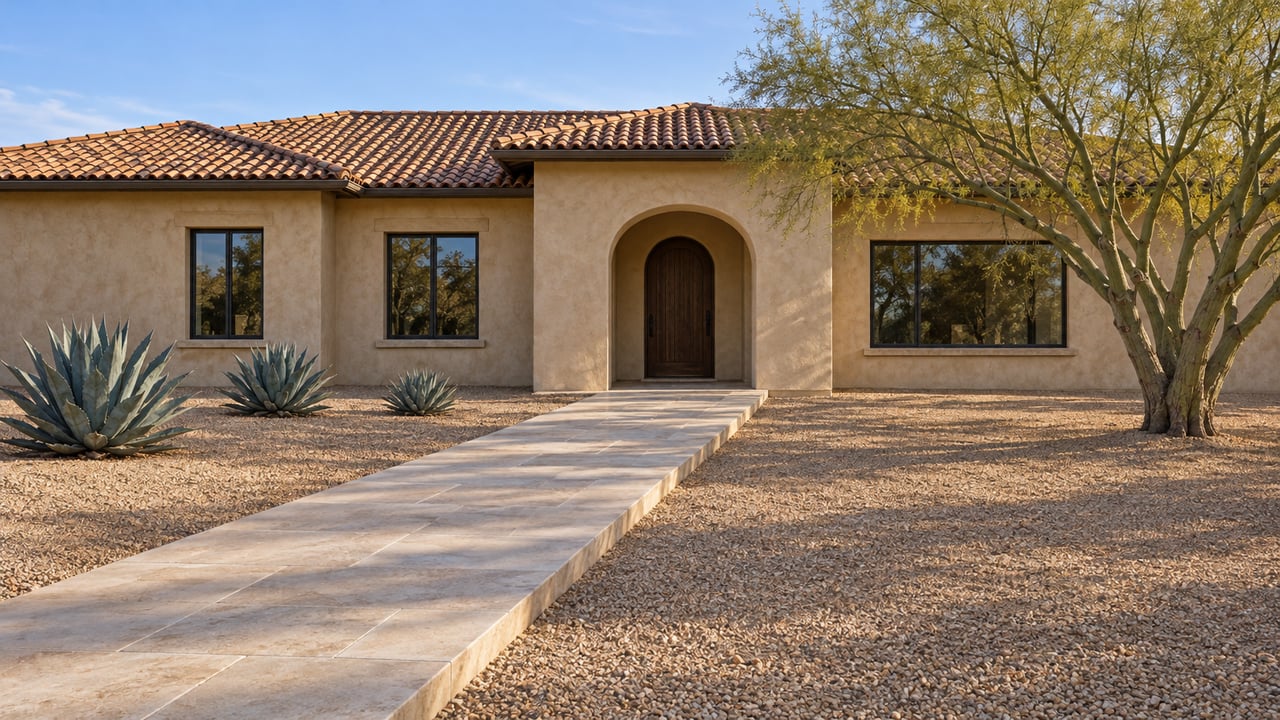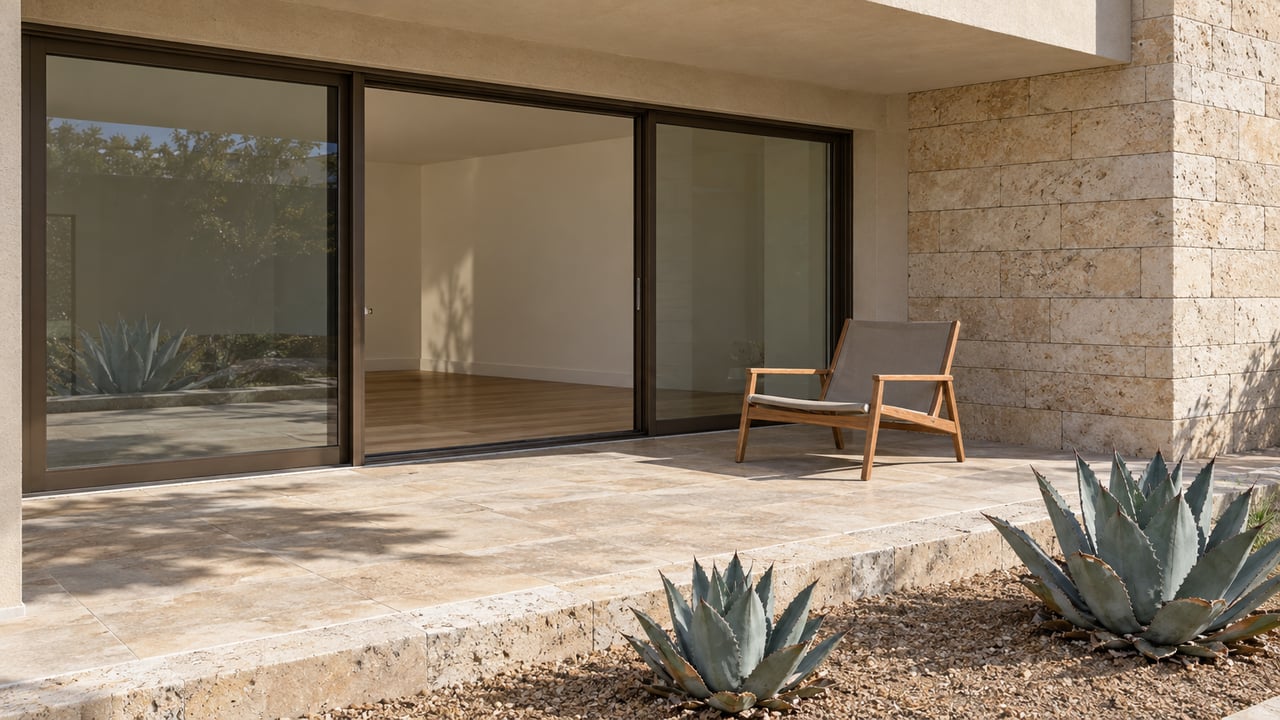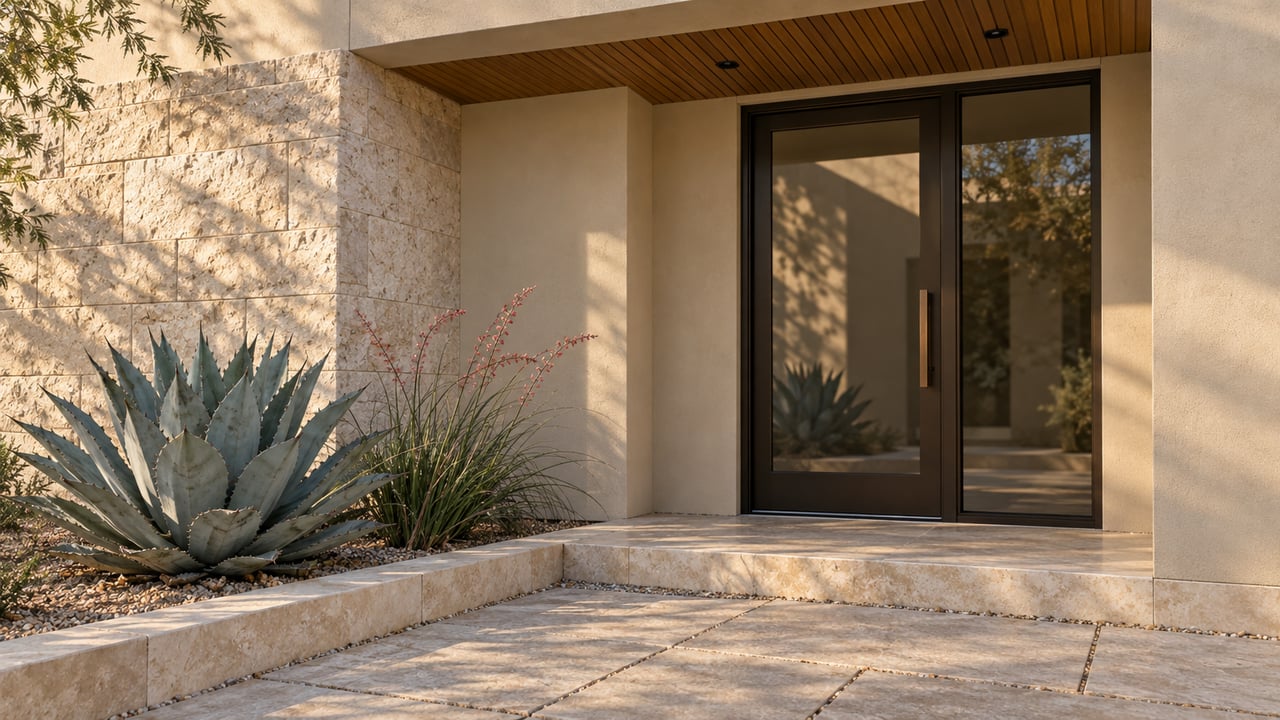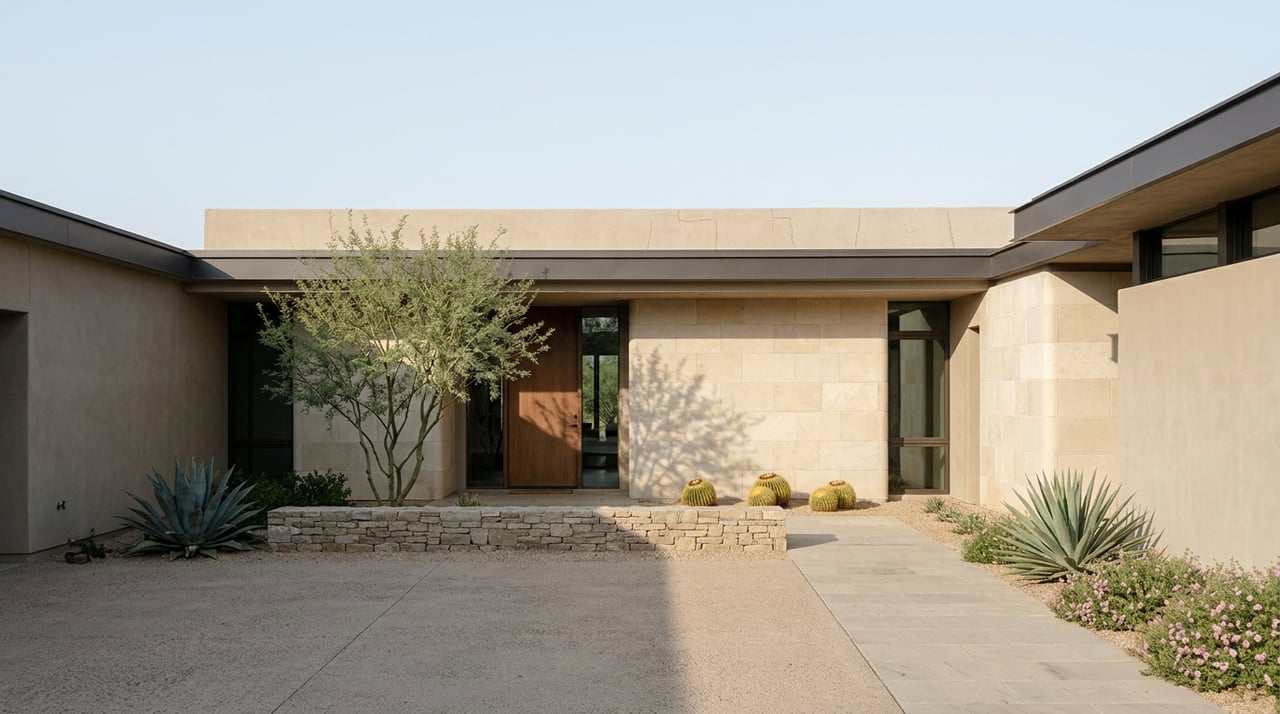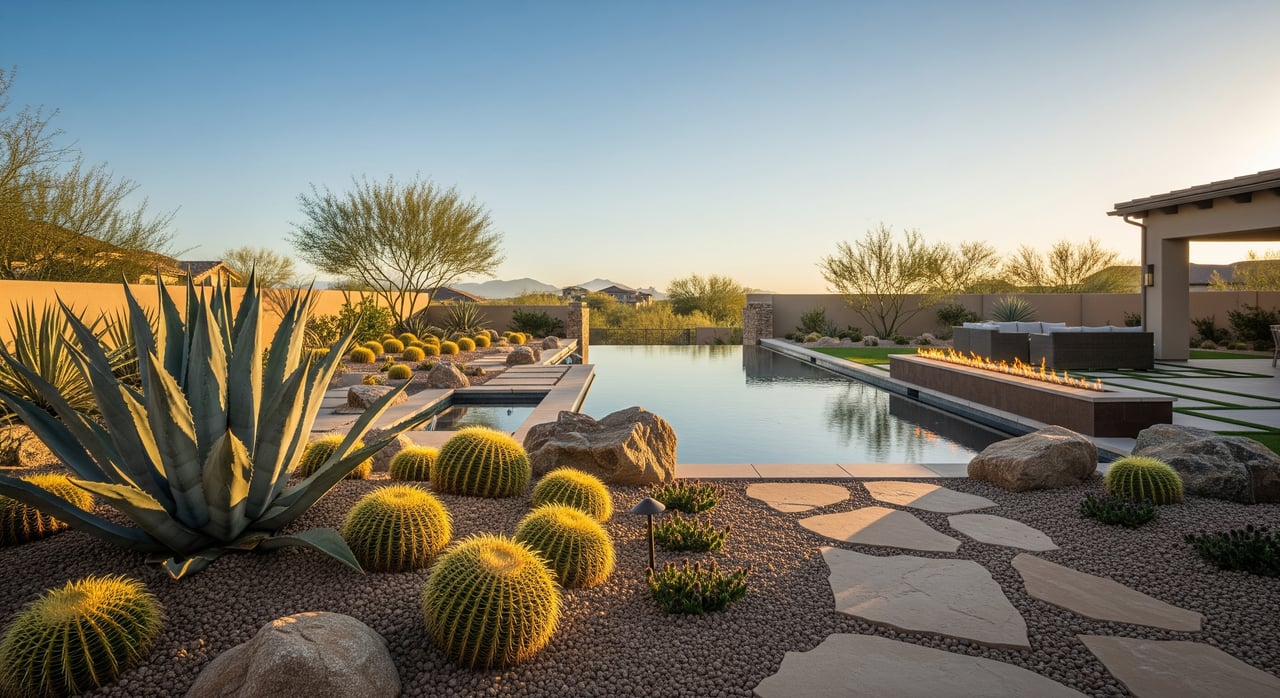
Want a resort-worthy yard that thrives in Phoenix heat? You can get shade, color, and year-round style without wasting water or fighting constant upkeep. In this guide, you’ll find desert-smart design ideas, plant picks, irrigation strategies, and luxury upgrades tailored to Phoenix homes. You’ll also learn how to plan, permit, and maintain your landscape so it looks intentional and lasts. Let’s dive in.
Phoenix climate: design for heat and low rain
Phoenix is a hot-arid region with very hot summers, mild winters, and low humidity. Annual rainfall averages about 7 to 8 inches, and plants lose water quickly due to high evapotranspiration. Plan for USDA zones 9b to 10a and expect sudden monsoon storms in summer.
Water conservation is a priority across the Valley. Review current programs and tips through the City of Phoenix Water Services conservation resources and the University of Arizona Cooperative Extension in Maricopa County for local plant guidance. Always check HOA guidelines and local rules before making big changes.
Luxury desert styles that fit Phoenix
Modern Minimal Desert
- Clean geometry with premium gravel beds, corten steel planters, and large specimen agaves.
- Neutral pavers or honed stone, seamless edges, and subtle LED uplighting.
- Sparse plant palette with bold forms for a gallery-like look.
Sonoran Oasis resort style
- Shade trees like mesquite, palo verde, or desert willow to cool outdoor rooms.
- Flowering shrub swaths and a recirculating water feature near seating areas.
- Travertine decks, shaded lounges, and strategic lighting for evening use.
Native Habitat low-maintenance estate
- Native Sonoran plants, natural boulder groupings, and dry washes that handle storm flow.
- Wildlife-friendly bloom sequences to attract birds and pollinators.
- Minimal fertilizer needs and lower ongoing maintenance.
Southwestern high-contrast
- Warm travertine, darker accent pavers, and sculptural cacti.
- Fire features and an outdoor kitchen in complementary materials.
- Architectural succulents that pop against light gravel or stone.
Smart plant palette for shade, color, and structure
Trees for structure and shade
- Palo Verde: spring yellow blooms, adaptable, good shade once established.
- Desert Willow: summer flowers, attracts hummingbirds; moderate water for extended bloom.
- Mesquite: deep shade and character; plan for litter and pod drop.
- Ironwood: slow-growing specimen for long-term presence.
- Pomegranate or Citrus: best for irrigated courtyards where extra water is planned.
Caution: Keep large trees away from pools and structures. Consider roots and debris when placing them.
Shrubs and accent plants
- Texas Ranger (Cenizo): drought-tolerant with purple blooms after heat or rain.
- Brittlebush: bright spring color with very low water needs.
- Hopbush: useful hedge or screen in windy areas.
- Sage and Dalea: pollinator-friendly with low to moderate water use.
Succulents and cacti for architecture
- Agaves for bold structure; size selections matter for a refined look.
- Ocotillo for vertical drama and seasonal leafing after rains.
- Columnar and barrel cacti as focal points and repeating accents.
- Aloes and selected Euphorbia for containers near patios.
Caution: Place spiny plants away from paths and play areas. Verify any protected species rules.
Groundcovers and lawn alternatives
- Dymondia and Lippia for green carpets that use less water than turf.
- Artificial turf for low-maintenance green areas when professionally installed with drainage.
- In cooler microclimates, consider native grasses. Elsewhere, use designed gravel beds with planting pockets.
- Combine rock mulch for a clean look with organic mulch in planting zones to hold moisture.
Water management that saves water and hassle
- Use drip irrigation as your baseline. Pair pressure-compensating emitters for shrubs with bubblers for trees, and keep succulents on separate zones.
- Group plants by water needs and sun. Hydrozoning prevents overwatering and keeps maintenance predictable.
- Install a weather-based smart controller. The EPA WaterSense program lists devices that adjust watering to conditions and reduce waste.
- Consider subsurface drip lines in gravel beds to limit evaporation.
- If exploring greywater or rainwater harvesting, review the Arizona Department of Water Resources regulations and local building codes before you start.
- Plan for monsoon storms with swales, permeable surfaces, and proper grading to manage runoff and avoid erosion.
- Check current rebate and incentive programs through AMWUA’s water-wise landscaping resources and SRP rebate programs, and confirm details with your utility.
Hardscape, comfort, and luxury amenities
- Materials: travertine, sandstone, flagstone, honed concrete, corten steel, and local boulders add a premium feel. Lighter surfaces reflect heat and run cooler around pools and lounges.
- Transitions: clean edges between decomposed granite paths and structured pavers create an intentional look.
- Water features: choose recirculating systems and place plants to avoid overspray and chlorine drift near pools.
- Lighting: use low-voltage LED and dark-sky-friendly fixtures to highlight trees and paths without glare.
- Comfort tech: misters, heaters, retractable shades, and pergolas expand how much you use your yard in summer.
A simple plan to get it right
- Start with a site assessment. Note sun, shade, wind, and drainage patterns. Map out where people actually spend time.
- Align with your HOA. Review CC&Rs and submit plans early to avoid delays.
- Pick your style. Visit the Desert Botanical Garden for inspiration and plant combinations that thrive locally.
- Choose a core plant palette. Use larger, established specimens for instant presence and long-term impact.
- Hydrozones and irrigation. Keep high-value plants on a separate zone and plan for tree bubblers and subsurface drip in gravel beds.
- Confirm permits. Pools, larger pergolas, and major walls usually require permits from the city or county.
- Explore rebates. Check the City of Phoenix Water Services and AMWUA guidance on turf replacement for current programs.
Maintenance calendar and tips
- Monthly in summer: Inspect drip lines, adjust schedules for heat and ET, and check emitters for clogs.
- Before monsoon season: Clear drains, secure décor, and prune where needed to reduce wind damage.
- Fall and winter: Reduce irrigation for established plants but do not shut it off entirely.
- Annual tasks: Prune dead wood, address crossing branches, and scout for pests like scale or mealybugs.
- Cold snaps: Protect tender succulents with frost fabric in exposed areas.
Budget drivers for luxury landscapes
- Costs vary by plant size, hardscape quality, lighting, and irrigation sophistication. Larger specimen trees, custom stonework, and integrated outdoor living amenities raise initial budgets.
- Well-designed desert landscapes often improve curb appeal and reduce long-term water use. The key is intentional design and mature plantings rather than sparse gravel.
Ready to align your outdoor spaces with your lifestyle and your home’s market position? If you are planning upgrades before selling or want advice on features that resonate with high-end buyers in Scottsdale, Paradise Valley, and Phoenix, connect with the Kapanicas Group for local guidance.
FAQs
Will xeriscaping hurt my Phoenix luxury home’s value?
- Thoughtful, high-quality desert landscaping typically boosts curb appeal and lowers water use; poor or haphazard installs can do the opposite.
How much water can I save by replacing turf in Phoenix?
- Savings vary by area and system, but turf removal and efficient drip with smart controls can significantly reduce outdoor water use; check local utility calculators and programs.
Can I get a lush feel without high water use in Phoenix?
- Yes. Use shade trees, pergolas, and concentrated oasis planting near patios while keeping the rest of the yard low-water.
Is artificial turf a good fit for luxury homes in Phoenix?
- It can be. Choose high-quality products, professional installation, and proper drainage to manage heat and maintenance.
How do I keep kids and pets safe around cacti and agaves?
- Keep spiny plants away from play areas, use soft groundcovers or turf in family zones, and consider discreet barriers around specimen cacti.