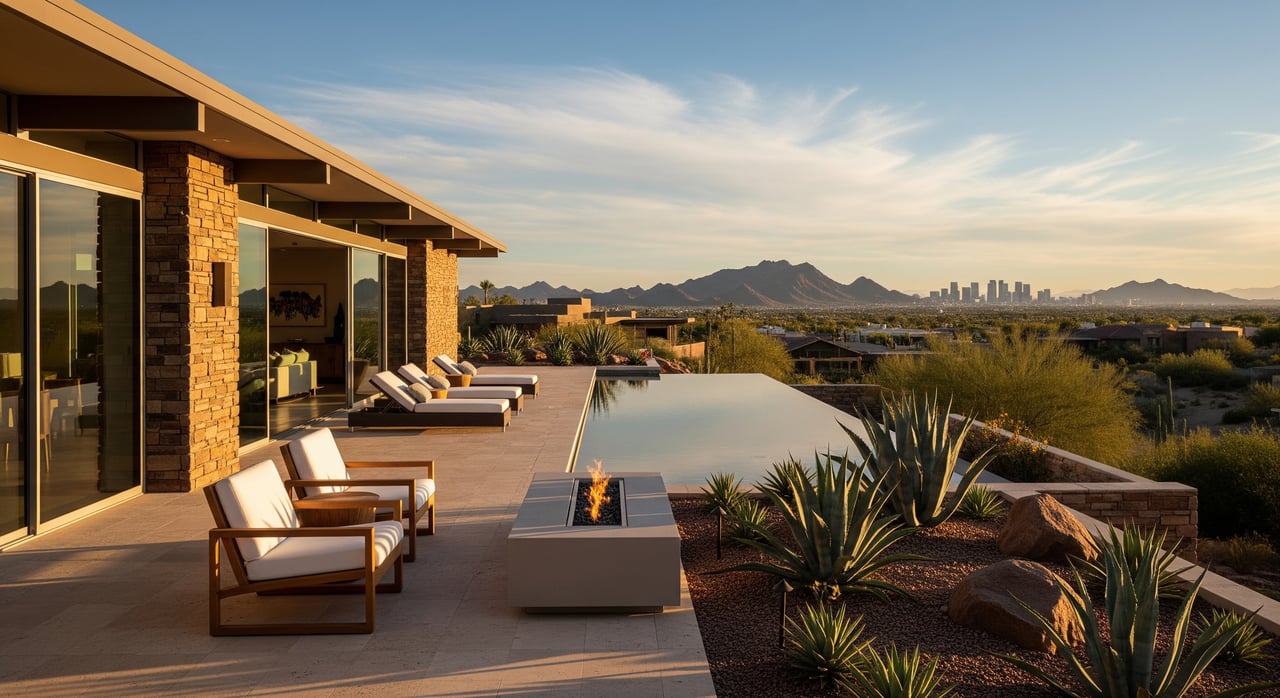
Picture your morning starting with a sunrise hike, a coffee on a shaded patio, and an afternoon dip in your own pool before dinner at a favorite restaurant nearby. If you are weighing a move to Phoenix’s luxury neighborhoods, you want more than beautiful homes. You want to understand the lifestyle, rhythms, and practical details that shape everyday living.
In this guide, you will learn what “luxury” means in Phoenix, how neighborhoods differ, and how desert life influences home design and daily routines. You will also get a clear look at costs, access, and services so you can decide what fits your goals. Let’s dive in.
Defining Phoenix luxury
In the Phoenix metro, luxury typically refers to the upper tier of the market, often the top 5 to 10 percent by price. In practice, many buyers and agents use homes priced at or above roughly $1 million as a common threshold, with higher tiers at $2 million to $5 million and beyond for estate-level properties. Prices vary by lot size, privacy, and views.
What you will see across luxury segments:
- Gated communities and custom estates with mountain or city views.
- Golf and private club communities where social life centers around the clubhouse.
- High-end urban condos and penthouses near Biltmore and the Camelback Corridor.
- New and renovated homes designed for indoor-outdoor living with pools, smart-home systems, and premium finishes.
Neighborhood flavors in Phoenix
Phoenix luxury is not one-size-fits-all. Each area offers a distinct vibe, from walkable, urban-adjacent living to secluded estates and golf-centric communities.
Arcadia and Arcadia Lite
Arcadia blends older, desirable lots with mid-century homes and extensive remodels. You get quick access to Camelback Mountain and a strong local dining scene. The streets feel residential, with larger lots and a neighborhood-forward pace. Many buyers like Arcadia for its combination of privacy and proximity to daily amenities.
Biltmore and Camelback Corridor
The Biltmore area offers high-end condos, townhomes, and single-family homes near upscale retail and dining. Biltmore Fashion Park is a major draw, and resort hotels nearby shape the social scene. This is a good fit if you want luxury living with quick access to central Phoenix, business districts, and cultural venues.
North Central and Central Phoenix enclaves
Closer to downtown, you will find higher-end historic homes and newer luxury builds on established streets. The appeal is character, central access, and a mix of urban cultural options. Roosevelt Row and downtown dining are within easy reach for arts-forward nights out.
Ahwatukee Foothills
Set along South Mountain, Ahwatukee offers a suburban luxury feel with excellent trail access. Many homes are oriented to mountain views and backyard living. You trade a bit of urban walkability for quiet streets and outdoor convenience.
Paradise Valley and Scottsdale context
Paradise Valley is an independent town within Maricopa County that functions as a core part of the Phoenix luxury market. It is known for large lots, privacy, and estate homes. Nearby Scottsdale and North Scottsdale offer prominent club and golf communities that many Phoenix luxury buyers consider, thanks to their resort amenities and lifestyle options.
Daily desert rhythms
Phoenix averages about 300 sunny days per year. Summers are very hot, with daytime highs often exceeding 100°F during the peak months. That reality shapes daily life across luxury neighborhoods.
- In summer, outdoor activities shift to early morning or evening.
- Fall through spring offer mild, outdoor-friendly days that make patios and pools the heart of home life.
- Shade, hydration, and sun protection are part of everyday routines, especially during heat waves.
Outdoor recreation highlights
The luxury lifestyle in Phoenix is closely tied to the mountains, trails, and open spaces around town. You can choose a home that places your favorite spots just minutes away.
Camelback, Piestewa, and South Mountain
Camelback Mountain rises near the Arcadia and Biltmore areas and is a favorite for short, steep hikes with panoramic views. Piestewa Peak in north Phoenix offers a network of trails with varied difficulty. South Mountain Park and Preserve near Ahwatukee features extensive hiking and mountain biking options for longer adventures.
Papago Park and the Desert Botanical Garden
Papago Park offers accessible trails and distinctive red rock formations near central Phoenix. The Desert Botanical Garden showcases desert plant life and hosts seasonal events that draw residents from across the Valley.
Golf and private clubs
Many luxury communities anchor their social life around golf and club amenities. Private courses, resort courses, and clubhouses offer dining, fitness, and member events. Even if you are not a golfer, the club culture can be a key part of socializing and networking.
Dining, shopping, culture
Luxury neighborhoods in central Phoenix offer strong dining and retail options, while areas further out rely on resort dining and short drives to central districts.
- Biltmore area: high-end retail and restaurants near Biltmore Fashion Park.
- Roosevelt Row and downtown: contemporary arts, performance venues, and chef-driven restaurants.
- Scottsdale nearby: Old Town and Scottsdale Fashion Square add another layer of luxury shopping and nightlife.
Major cultural institutions within reach include the Phoenix Art Museum, the Heard Museum, the Musical Instrument Museum in north Phoenix, Ballet Arizona, the Arizona Opera, and the Herberger Theater Center. Seasonal events, charity galas, and food and wine festivals punctuate the social calendar.
Desert-smart home design
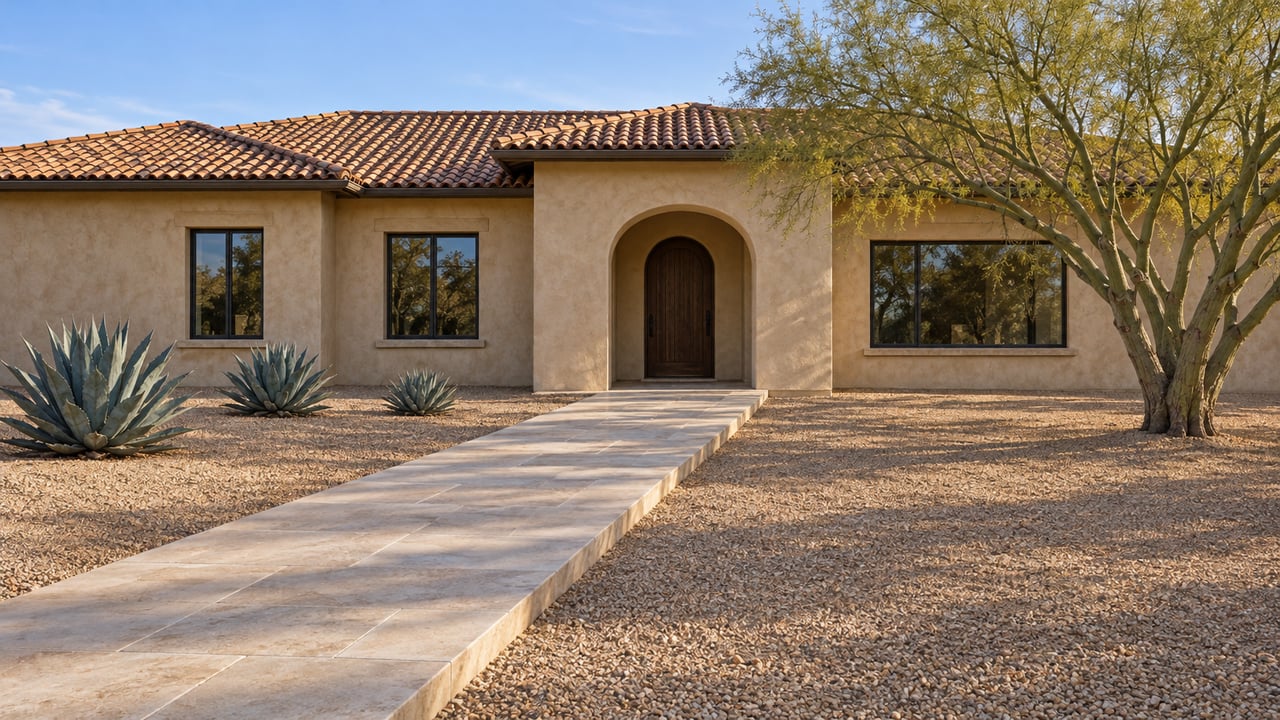
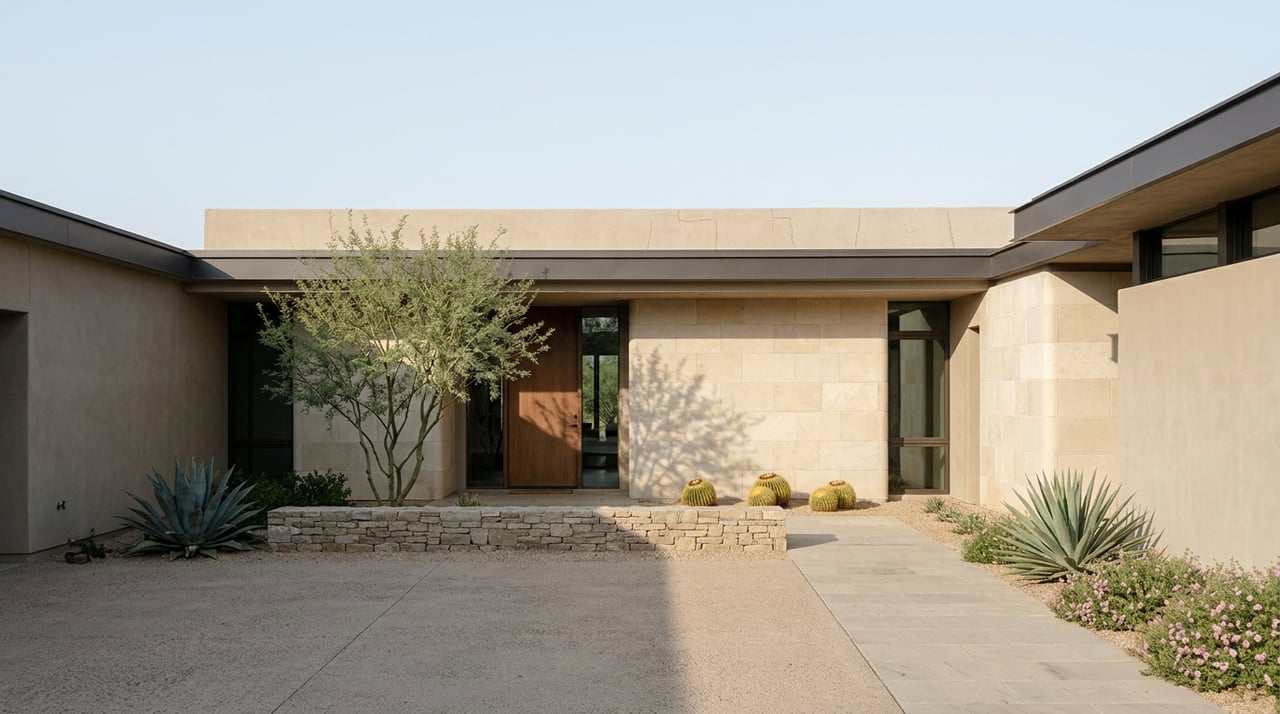
Luxury homes in Phoenix are built for sun, heat, and outdoor living. The right design choices make a big difference in comfort and operating costs.
- Cooling and comfort: high-capacity HVAC, regular maintenance, and efficient thermostats are essential.
- Building envelope: shaded overhangs, pergolas, reflective roofing, insulated windows, and high-efficiency glazing help reduce cooling loads.
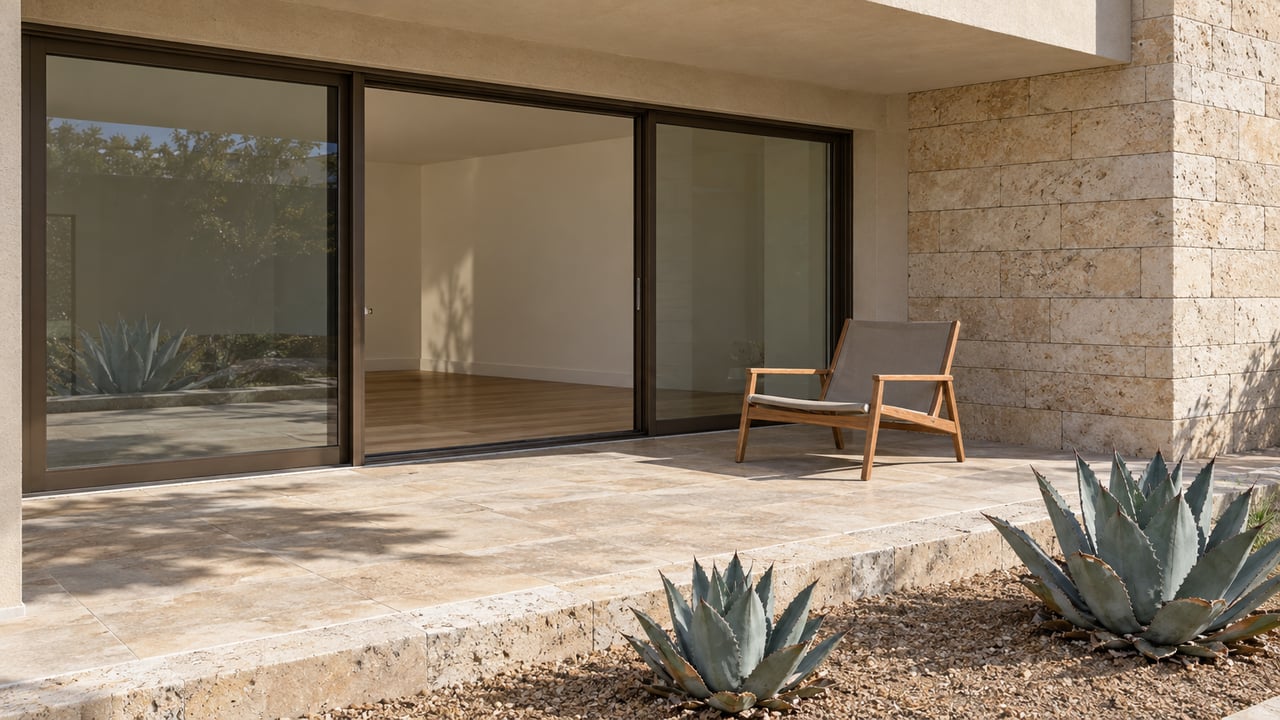
- Outdoor features: heated pools and spas, covered patios, outdoor kitchens, and low-maintenance hardscapes expand your living space.
- Weather resilience: monsoon season brings wind, dust, and heavy rain. Good drainage, grading, and pool and waterproofing details matter.
Water-wise luxury living
Arizona’s water comes with a long-term conservation mindset. Cities and providers prioritize efficient use, and many luxury homeowners choose landscaping that fits the desert.
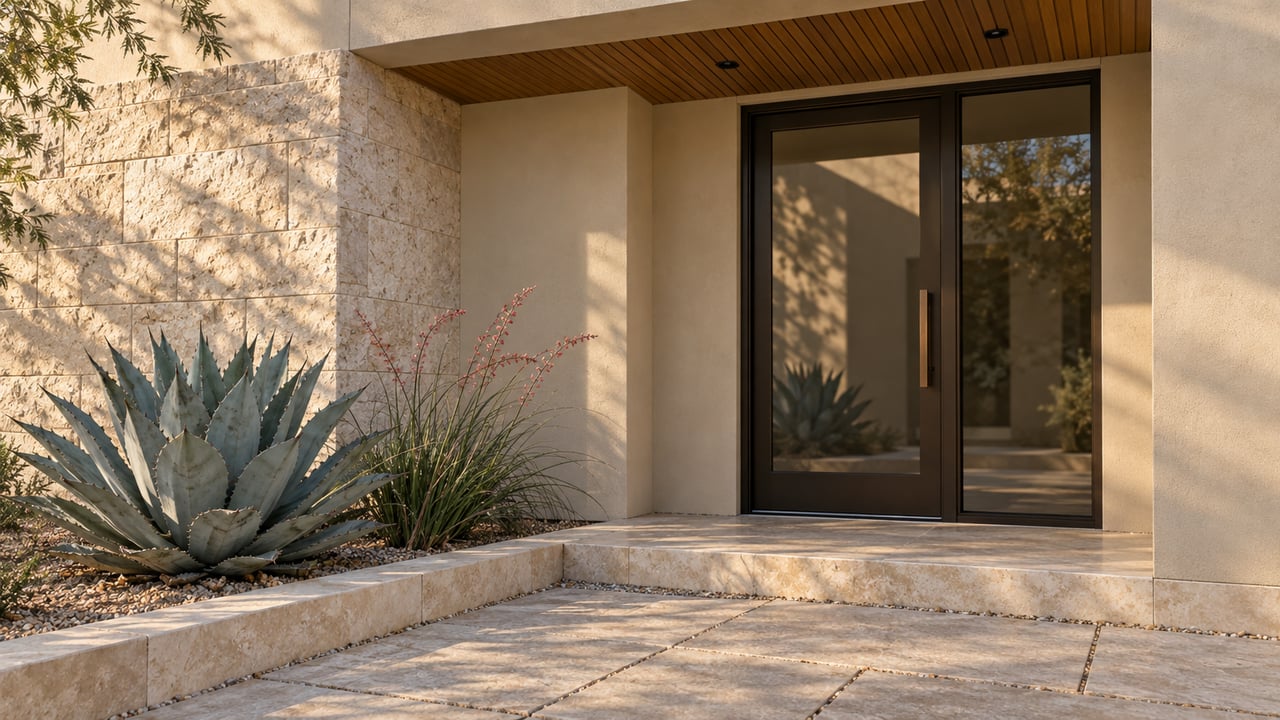
- Xeriscaping with native plant palettes reduces irrigation and highlights the natural setting.
- Efficient irrigation systems and smart controllers help manage usage.
- Local rebates and guidelines vary by jurisdiction, so you will want to check city and water provider programs when planning landscaping changes.
Costs beyond purchase price
Luxury living involves ongoing costs that vary by property type, neighborhood, and amenities. Planning ahead helps you choose a home that fits your budget and lifestyle.
Key recurring items to consider:
- Property taxes: Arizona rates are modest compared with some states, but higher assessed values scale tax bills accordingly.
- HOA and club fees: many communities have HOAs, and private clubs can include initiation and monthly dues.
- Utilities and maintenance: energy usage peaks in summer for air conditioning and pool systems. Landscaping, irrigation maintenance, and HVAC service are regular line items.
- Insurance: standard homeowners policies are common, with optional coverage for luxury finishes or collections. Flood coverage is a separate policy if a property sits in a flood zone.
Commutes and access
Phoenix is a large, spread-out metro. Your neighborhood choice will shape daily travel times and access to amenities.
- Major routes: I-10, SR-51, Loop 101, and Loop 202 frame the region and connect neighborhoods to business districts.
- Airports: Phoenix Sky Harbor International Airport is central and reachable via freeways from most luxury areas.
- Walkability: Biltmore and parts of Arcadia offer walkable dining and retail clusters, while more secluded enclaves are car-oriented.
Schools and healthcare
Families often consider proximity to school options, both public and private. School preferences and program offerings vary by district, so it helps to review current district and school information as part of your search.
Healthcare access is strong across the metro, with major hospitals and specialty centers in multiple corridors. Proximity to high-quality care is a common consideration for luxury buyers and seasonal residents.
Is Phoenix luxury right for you?
If you want sunshine, mountain access, and indoor-outdoor living, Phoenix luxury neighborhoods deliver a compelling lifestyle. You will balance summer heat routines with long, mild seasons on the patio. Your day-to-day can include golf, trails, gallery nights, and an active club calendar.
Choosing the right fit comes down to how you want to live. Urban-adjacent areas like Arcadia and Biltmore put you near restaurants and cultural venues. Secluded enclaves like Paradise Valley offer privacy and views. Golf and club communities around Scottsdale add resort-style amenities to your daily routine.
When you are ready to align location, lifestyle, and budget, a local advisor can walk you through options and on-the-ground tradeoffs. For personal guidance on neighborhoods, home features, and value, connect with the boutique team at Kapanicas Group.
FAQs
What defines a luxury home in Phoenix?
- In practice, many buyers and agents view homes priced at or above roughly $1 million as luxury, with higher tiers at $2 million to $5 million and above for estate-level properties.
How does Phoenix heat shape daily life?
- Expect about 300 sunny days per year and very hot summers with highs often over 100°F, which shifts outdoor activities to early mornings and evenings in warmer months.
Which Phoenix luxury areas feel most walkable?
- Biltmore and parts of Arcadia have walkable dining and retail clusters, while more secluded enclaves prioritize privacy and are primarily car-oriented.
What recurring costs should luxury buyers expect?
- Beyond your mortgage, plan for property taxes, HOA and club fees, higher summer energy usage, pool and landscaping maintenance, and insurance tailored to your property.
How do water conservation and landscaping work?
- Many luxury homes use xeriscaping, efficient irrigation, and shade strategies to reduce water use while creating beautiful outdoor living spaces.
Where do residents go for outdoor recreation?
- Popular options include Camelback Mountain, Piestewa Peak, South Mountain Park and Preserve, Papago Park, and private or resort golf courses across the metro.
What is the commute like from luxury neighborhoods?
- Commute times vary by location and access to I-10, SR-51, Loop 101, and Loop 202, with many residents choosing neighborhoods based on proximity to work, clubs, and Sky Harbor Airport.