Unsure which Phoenix neighborhood fits your next luxury home? You’re not alone. Each area offers a different rhythm, from leafy, large-lot streets near Camelback Mountain to lock-and-leave high rises closer to downtown. In this guide, you’ll see how the most sought-after Phoenix neighborhoods compare on lifestyle, price patterns and day-to-day trade-offs, plus how today’s market conditions can give you an edge. Let’s dive in.
Start with your lifestyle priorities
Before you compare ZIP codes, get clear on how you want to live day to day. Match your top three non-negotiables to the right areas:
- Walkable dining and arts scene: Downtown and Midtown condos
- Golf and resort access with central convenience: Biltmore and Camelback Corridor
- Large lots with mature landscaping: Arcadia and North Central
- Newer construction and gated amenities: Desert Ridge and Northeast Phoenix
Arcadia and Camelback-adjacent
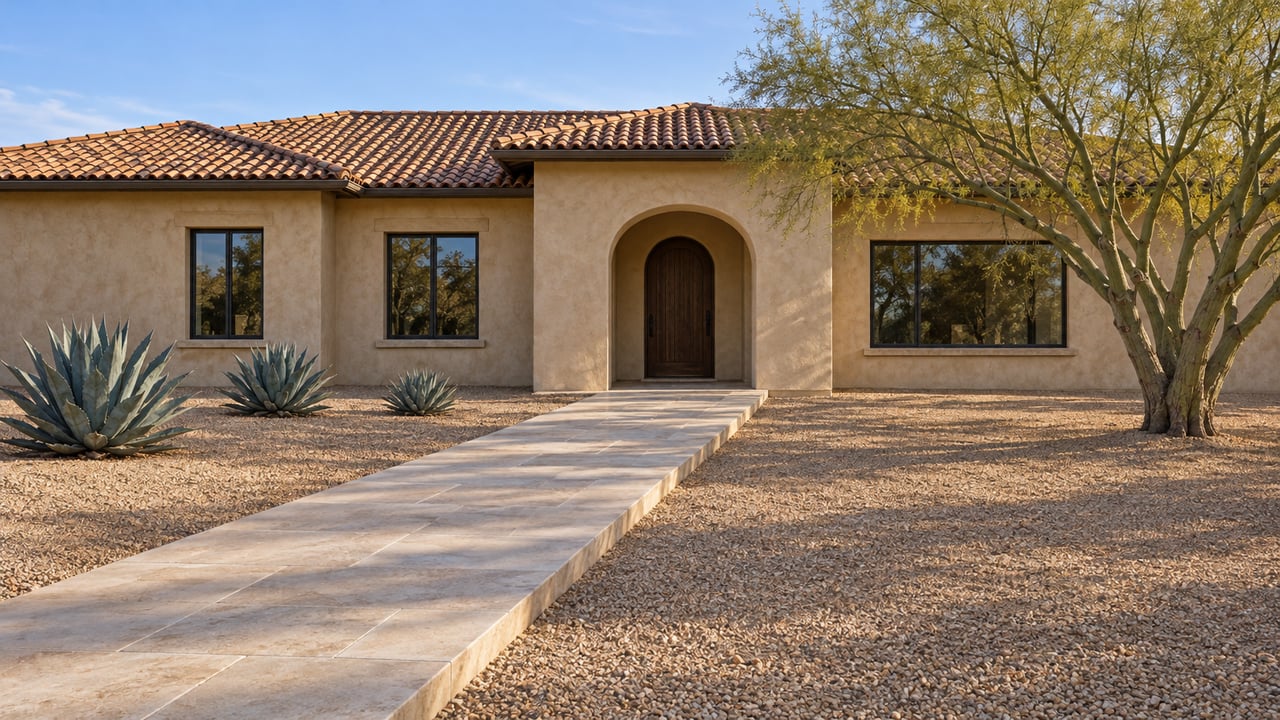
Arcadia is known for its mid-century ranch homes, irrigated lots, mountain views and high-quality rebuilds. It feels residential yet close to Camelback Corridor dining and resorts, with short off-peak drives to Sky Harbor and Midtown. Expect a mix of thoughtfully remodeled ranches and custom new builds.
- Typical pricing: Recent neighborhood data showed Arcadia’s median sale around $1.5 million in early 2026. Use this as a directional starting point, not a rule.
- Who it fits: You want a yard, outdoor living and quick access to central restaurants and services. You value neighborhood character over gated uniformity.
- Trade-offs: High demand and limited parcels can mean tight inventory. Renovations and desert-appropriate landscaping add to ownership costs. Main road corridors can feel busy.
- Helpful context: See a data snapshot of the adjacent Arcadia Lite corridor to understand the area’s housing mix and boundaries in more detail in this Arcadia Lite market overview.
Biltmore and Camelback Corridor
This historic luxury corridor blends resort living with central-city access. You’ll find gated estates around the Arizona Biltmore Golf Club, plus a range of high-end low-rise and high-rise condominiums near Biltmore Fashion Park. Many buyers choose it for golf, services and a polished environment minutes from business and medical hubs.
- Typical pricing: Neighborhood medians often land in the low to mid seven figures, with luxury towers and penthouses trading in the seven-figure range. Prices vary by product and lot.
- Who it fits: You want golf, club access and a resort-residential vibe with easy commuting.
- Trade-offs: Premium turnkey properties command a higher price per square foot. Full-service buildings can carry elevated monthly HOA dues.
North Central and Phoenix Country Club area
North Central’s established neighborhoods offer large lots, shade canopies and architectural variety near midtown culture and dining. Historic districts like Willo and Coronado continue to attract buyers who value character and proximity to central employers.
- Typical pricing: You’ll see a wide spread from high six figures to multi-million estates, depending on lot size and renovation level. Recent local coverage highlighted price gains in districts like Willo and Roosevelt, which underscores how micro-locations can move differently within the city. Read a summary of those shifts in this AZCentral coverage (archived).
- Who it fits: You want space, privacy and central access without leaving Phoenix proper.
- Trade-offs: Older infrastructure can mean electrical, plumbing or energy retrofit projects. New-build options are limited.
Downtown and Midtown condos
If walkability, arts and entertainment are high on your list, downtown and midtown deliver. From Roosevelt Row to sports arenas and museums, you get vibrant urban life with lock-and-leave convenience. The region’s light rail network expanded in 2025, improving central connections and reinforcing the appeal of transit-accessible living. Get the latest on the opening impacts in this KJZZ light rail update.
- Typical pricing: Many condos fall near broader city medians, while boutique towers and penthouses can sell for $1 million or more. Building, floor height and views drive big differences.
- Who it fits: You want minimal maintenance, strong amenities and short commutes to central employers.
- Trade-offs: Less private outdoor space than single-family homes. HOA rules, budgets and reserves matter a lot for cost and financing.
Desert Ridge and Northeast Phoenix
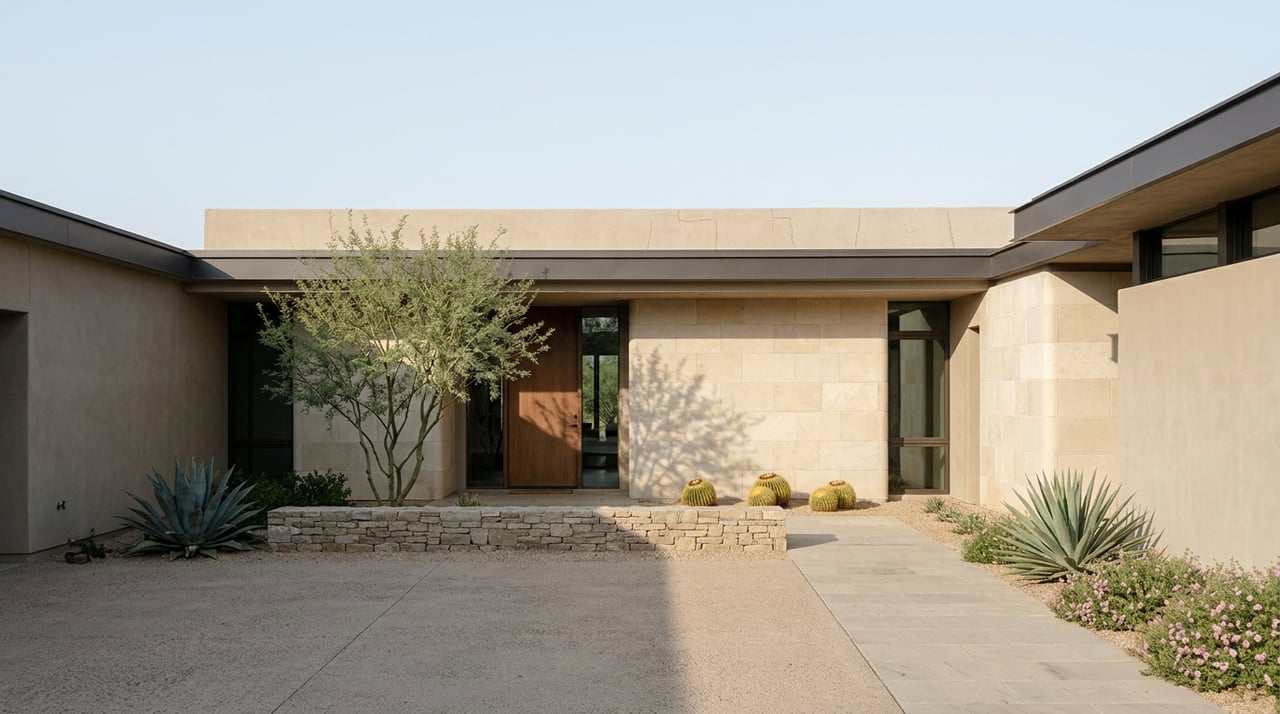
Desert Ridge offers a newer, master-planned setting with gated subdivisions, parks, retail and quick Loop 101 access. It is popular with buyers seeking newer construction and community amenities while staying within Phoenix city limits.
- Typical pricing: The median sale price in late 2025 sat in the mid $600,000s to $700,000s, with premium pockets and new-build options higher.
- Who it fits: You prefer newer homes, community programming and convenient freeway access.
- Trade-offs: More car-dependent than inner neighborhoods. HOA rules and standards are common and vary by community.
What about Paradise Valley?
Paradise Valley borders Phoenix but is a separate incorporated town with its own governance and permitting. It features very large lots and luxury custom estates, often at price points above most Phoenix neighborhoods. Broad measures placed its typical home values in the multiple millions in early 2026, so plan for a higher entry budget if privacy and lot size are your top goals.
Market conditions: why timing and product matter
Phoenix’s market cooled from the 2020 to 2022 surge, and by 2025 many listings stayed on the market longer. That created more room for negotiation in several segments, even as move-in ready luxury homes held relative strength. See a snapshot of listing duration trends in this Axios report on “stale” inventory.
- What this means for you: If you are flexible on finishes or timing, you may have leverage. Prime, turnkey homes in top micro-locations still move faster.
Ownership costs to compare across neighborhoods
Luxury value is about more than price per square foot. Compare these factors side by side when you shortlist homes:
- Property taxes: Maricopa County’s effective property tax rate is low relative to many U.S. counties, which can benefit relocating buyers. For context, see the Tax Foundation’s county tax tables. Always verify parcel-level taxes and assessments.
- HOAs and building health: Full-service condo towers often carry higher dues that cover amenities and staffing. Always review HOA budgets, reserves, insurance and any special assessments before you commit.
- Utilities and energy efficiency: Cooling loads are significant in Phoenix’s desert climate. Look at insulation, HVAC efficiency, shade and pool equipment to understand long-term costs. Get climate context here: Phoenix climate overview.
- Water and development risk: Arizona tightened rules for developments that rely only on groundwater. For newer or edge-area subdivisions, confirm water provider agreements and any assured-water status. Learn more about the policy backdrop in this High Country News explainer.
Quick neighborhood fit guide
Use this simple map to move from lifestyle to location:
- Golf, clubs, resort access with central convenience: Biltmore and Camelback Corridor
- Large yards, mountain views, short city drives: Arcadia and Camelback-adjacent pockets
- Historic character on large lots near midtown: North Central and the Phoenix Country Club area
- Lock-and-leave, walkable arts and events: Downtown and Midtown condos
- Newer builds, master-planned amenities and gated living: Desert Ridge and Northeast Phoenix
How to compare properties like a pro
For each home you’re serious about, ask the listing agent or your representative for:
- Recent comparable sales from the same micro-subdivision in the last six months.
- HOA documents, reserve study and fee history, plus any pending special assessments.
- Property tax history and special district levies at the parcel level.
- Water provider details and any assured-water status if it is a newer community.
- Average seasonal utility bills for a realistic operating budget.
- Drainage and monsoon history for the lot. Ask about any prior mitigation.
- If it is a condo, association lending eligibility and any open litigation that can affect financing.
Ready to tour and compare with confidence?
Choosing between Arcadia, Biltmore, North Central, Downtown and Desert Ridge comes down to how you want to live. With clear lifestyle priorities, current neighborhood data and a close read on ownership costs, you can move fast when the right home appears. If you want a calm, consultative process from search to close, reach out to the Kapanicas Group for a tailored plan and private tours.
FAQs
What is a realistic budget to enter Arcadia in 2026?
- Plan for entry pricing around the mid seven figures, with recent neighborhood data showing a median near $1.5 million. Individual properties vary by lot, remodel quality and street.
Are HOA fees higher in Phoenix luxury towers?
- Full-service buildings often have higher dues to cover amenities and staffing. Always compare what dues include, review reserves and check for any special assessments.
How did the 2025 market shift affect luxury buyers in Phoenix?
- Inventory grew and some listings sat longer, which improved negotiating leverage for many buyers. Turnkey homes in prime micro-locations still moved faster than average.
What should I review before buying in a master-planned area like Desert Ridge?
- Confirm HOA rules and fee history, parcel-level taxes, water service details and recent utility bills. Also check drainage and any past monsoon impacts for the lot.
Is Paradise Valley part of Phoenix and does that change the search?
- Paradise Valley is a separate town with its own permits and services. It features very large lots and higher average prices, so factor in different rules and a higher entry budget when comparing it to Phoenix neighborhoods.