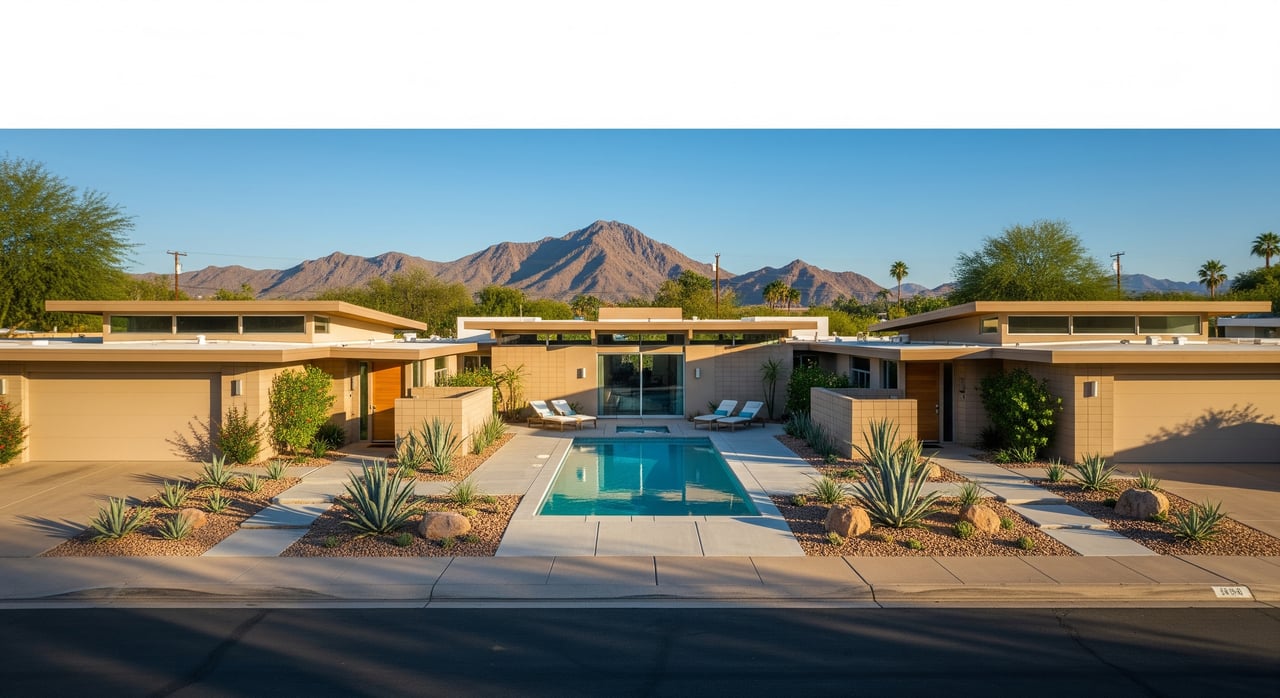
You can spot a great comp from a mile away once you know what appraisers look for. If you are pricing a Phoenix home or deciding what to offer, you want more than a rough estimate. You want a method you can trust. In this guide, you will learn how appraisers pick, verify, and adjust comps in Phoenix so you can read the market with confidence. Let’s dive in.
What appraisers actually do
Appraisers form an opinion of market value using verified data and clear reasoning. For most single-family homes, the sales comparison approach is the primary method. That means they compare your home to recent, similar closed sales and adjust for differences.
Standards matter. Appraisers follow professional rules such as USPAP and lender guidelines. They rely on closed, arm’s‑length sales when possible, explain their adjustments, and verify any detail that can change value. Think of comps as evidence, not guesses.
Define your subject first
Before you compare anything, lock in the facts about your home:
- Legal details and lot size
- Year built, effective age, and quality
- Finished living area, bed and bath count, and parking
- Pool or spa, patio, landscaping, and outdoor features
- Solar ownership or lease, HVAC age, and energy upgrades
- HOA status and community amenities
- View, location influences, and any flood zone or wash adjacency
- Permit history for additions or conversions
In Phoenix, permit checks and accurate square footage are critical. Older areas sometimes have enclosed patios or garage conversions that were never permitted. Those details affect value and financing.
Find Phoenix comps that match
Appraisers start close and recent, then widen only when needed.
- Proximity: Stay within the same micro-market. Phoenix has many distinct pockets, from Arcadia to the North Phoenix foothills. Neighborhood boundaries often matter more than city limits.
- Time: In an active market, prioritize the last 30 to 90 days. In slower periods, go back 6 to 12 months and plan for a time adjustment.
- Similarity: Match lot, size, age, condition, bed and bath count, and features like pool or casita.
- Sale type: Favor closed, arm’s‑length sales. Distressed or unusual sales require extra care.
- Quantity: Aim for 3 to 6 strong comps. You can keep a few backups as support.
Verify every comp
Great comps are verified comps. Appraisers confirm closed price and terms, physical details, and any unusual conditions.
- Cross-check square footage, bed and bath counts, and lot details.
- Review photos and descriptions to confirm condition and upgrades.
- Look for concessions, personal property, or related-party sales.
- In Phoenix, verify pool and spa details, solar ownership versus lease, and permitted versus unpermitted work.
Adjust comps with logic
The goal is to account for differences so each comp reflects your home as if it were sold on the same date.
Time adjustments
If prices shifted since a comp closed, a time adjustment helps align it to today. Appraisers look at price trends, paired sales, and current supply and demand to support this.
Location adjustments
Two blocks can change price in Phoenix. Consider street appeal, traffic, and proximity to features like parks, golf, or wash areas. Views of Camelback or similar foothills may carry a premium. Proximity to major freeways or the airport flight path can be a drag on value.
Size, condition, and layout
- Gross living area: Larger homes usually get a lower price per square foot than smaller ones, so size adjustments are not one-to-one.
- Condition and quality: A refreshed roof, newer HVAC, updated windows, or a high-quality remodel can move value.
- Functional utility: Bedroom and bathroom count, open layout, and usable spaces matter.
Amenities and site
- Pools and spas: Common across Phoenix and often a value add, especially in mid to upper ranges. Age, condition, safety features, and maintenance history influence the impact.
- Outdoor living: Covered patios, ramadas, and mature landscaping increase appeal.
- Solar: Owned systems can add value. Leased systems can complicate financing and may limit value.
- Lot and orientation: Usable yard size and a north-south backyard can be meaningful to buyers.
External factors
Noise, busy roads, adjoining commercial uses, floodplain considerations, and wash or canal setbacks can all require adjustments. Always document these influences.
Phoenix factors that move value
- Pools: Expect a premium in many segments, with more impact in mid to upper price tiers. Entry-level segments can be more price-sensitive.
- New construction competition: In areas with active building, new homes may set premiums for features and warranties. Distinguish between resale and new-build comps.
- Solar and energy upgrades: Owned PV systems and efficient HVAC are common talking points. Appraisers consider system age and expected life.
- Permit history: Unpermitted additions or conversions often reduce marketability and can hurt value.
- HOA and community amenities: Community pools, golf access, and gated entries change the buyer pool and influence comps.
- Micro-markets: Treat each neighborhood or subarea as its own market. A broad “Phoenix” comp set often misses the mark.
Common mistakes and red flags
- Relying on automated estimates without verification.
- Pulling comps from the wrong neighborhood or school attendance zone.
- Ignoring market direction and failing to time-adjust older sales.
- Overlooking unpermitted work, flood risks, or solar lease terms.
- Large price gaps among comps without a clear reason.
If something looks off, dig into condition, legal status, or whether the sale had unusual concessions.
Data sources appraisers use
- MLS data and photos for the most recent closed sales
- Maricopa County records for parcel data and tax history
- City of Phoenix Planning and Development for permits and zoning
- FEMA flood maps for flood risk
- Market reports from local providers for supply and pricing trends
These sources help confirm facts and support any adjustments you make.
A simple six-step checklist
- Define what makes your home unique: lot, layout, size, upgrades, view, and permits.
- Gather 3 to 6 recent closed sales from the same neighborhood.
- Verify the details: square footage, bed and bath counts, pool, solar, and permit history.
- Note market direction to decide if time adjustments are needed.
- Adjust for location, size, condition, and amenities like pool or casita.
- Reconcile to a value range and pressure-test your pick against an additional supporting sale.
When to seek a second opinion
If an appraisal comes in low or a comp set feels mismatched, check for factual errors or missed permitted improvements. Provide better-aligned comps and documentation, and ask for a review. In thin data markets or unique properties, it can be reasonable to request a reconsideration with clear evidence.
Partner for precise pricing
Reading comps like an appraiser takes verified data, local context, and clear reasoning. If you want a pricing strategy that reflects Phoenix micro-markets, pools and solar considerations, and buyer expectations, we are here to help. Schedule a Free Market Consultation with the Kapanicas Group to price with confidence and move forward on your timeline.
FAQs
What are comps in Phoenix real estate?
- Comparable sales are recent, similar closed homes used to estimate market value through verified comparison and sensible adjustments.
How many comps should I use for a Phoenix home?
- Appraisers typically rely on 3 to 6 strong, verified closed sales, with a few additional supporting sales as context when needed.
How recent should comps be in a fast Phoenix market?
- The most persuasive comps are often within 30 to 90 days; in slower markets, 6 to 12 months can work with proper time adjustments.
Can I use active or pending listings as comps in Phoenix?
- Use them for market direction only; closed sales are the primary evidence for value in most appraisal assignments.
Do pools increase value in Phoenix comps?
- Pools often add value, especially in mid to upper tiers, but the impact depends on neighborhood norms, pool age, condition, and safety features.
How do appraisers treat solar panels in Phoenix?
- Owned systems can contribute to value based on age and expected life; leased systems may complicate financing and do not carry the same value effect.
What if an appraisal comes in low on my Phoenix home?
- Review for errors in square footage, bedroom or bathroom count, missed permitted upgrades, or better-aligned comps, then request a reconsideration with documentation.