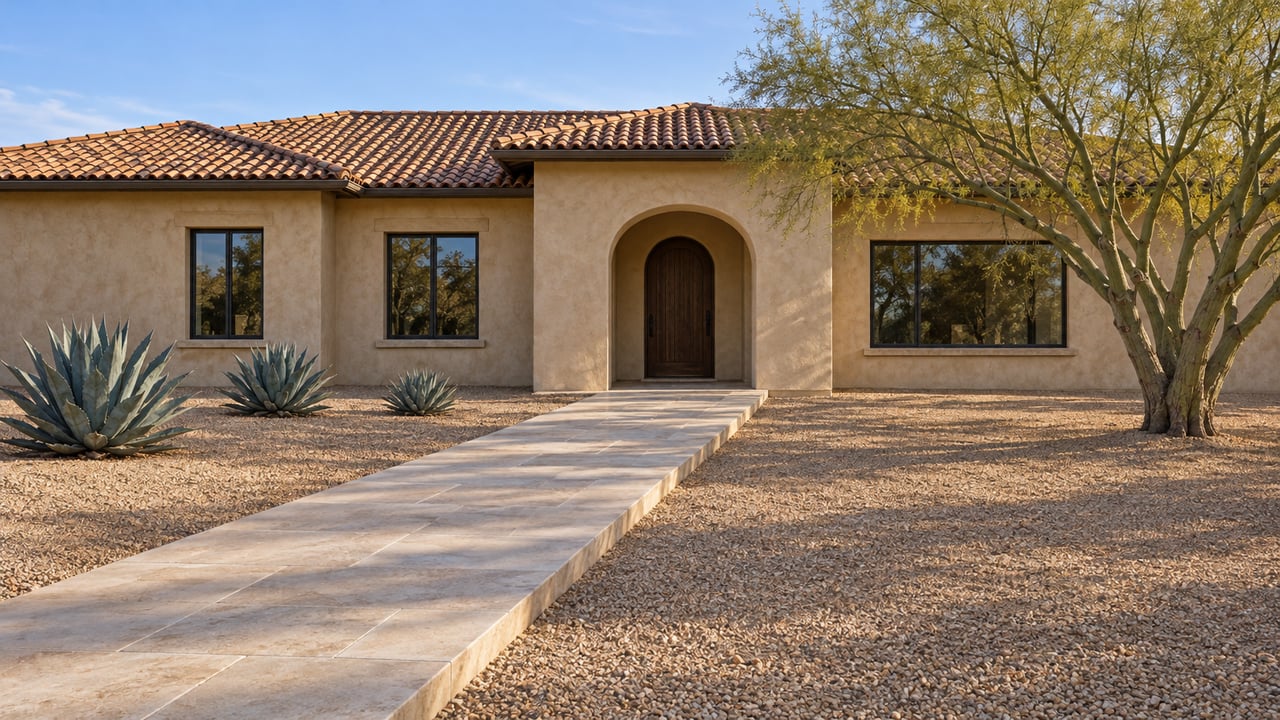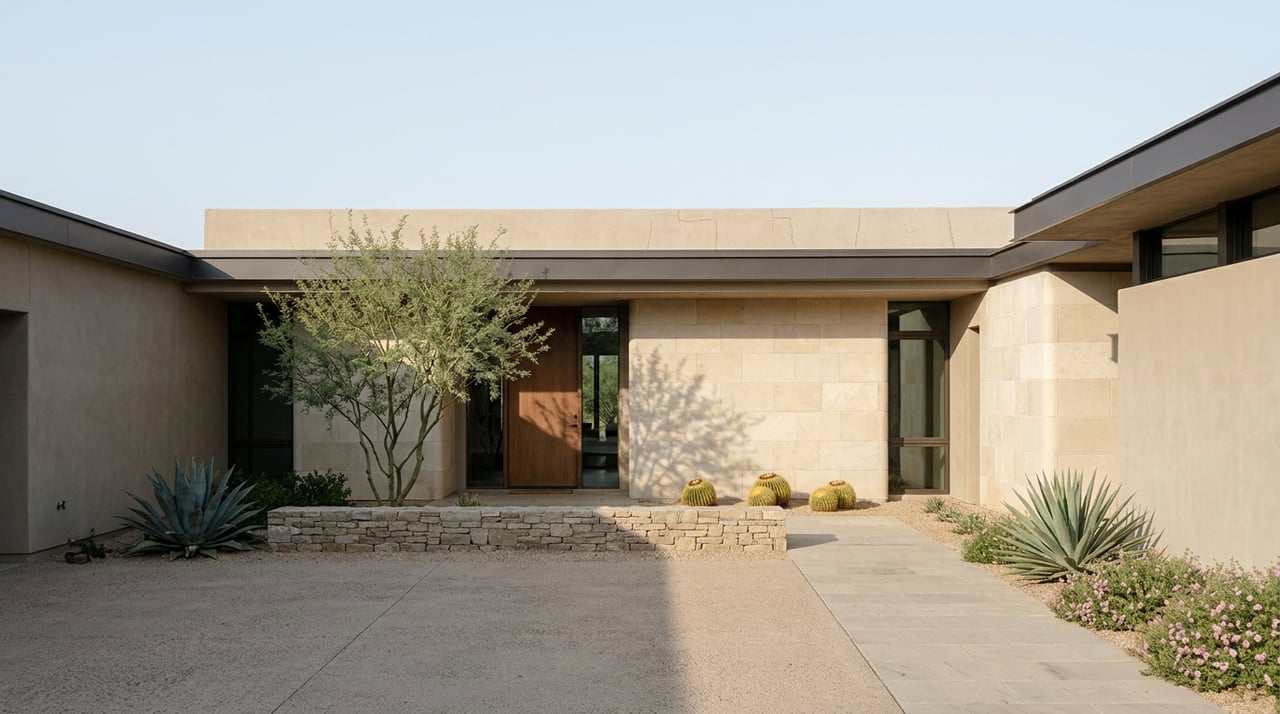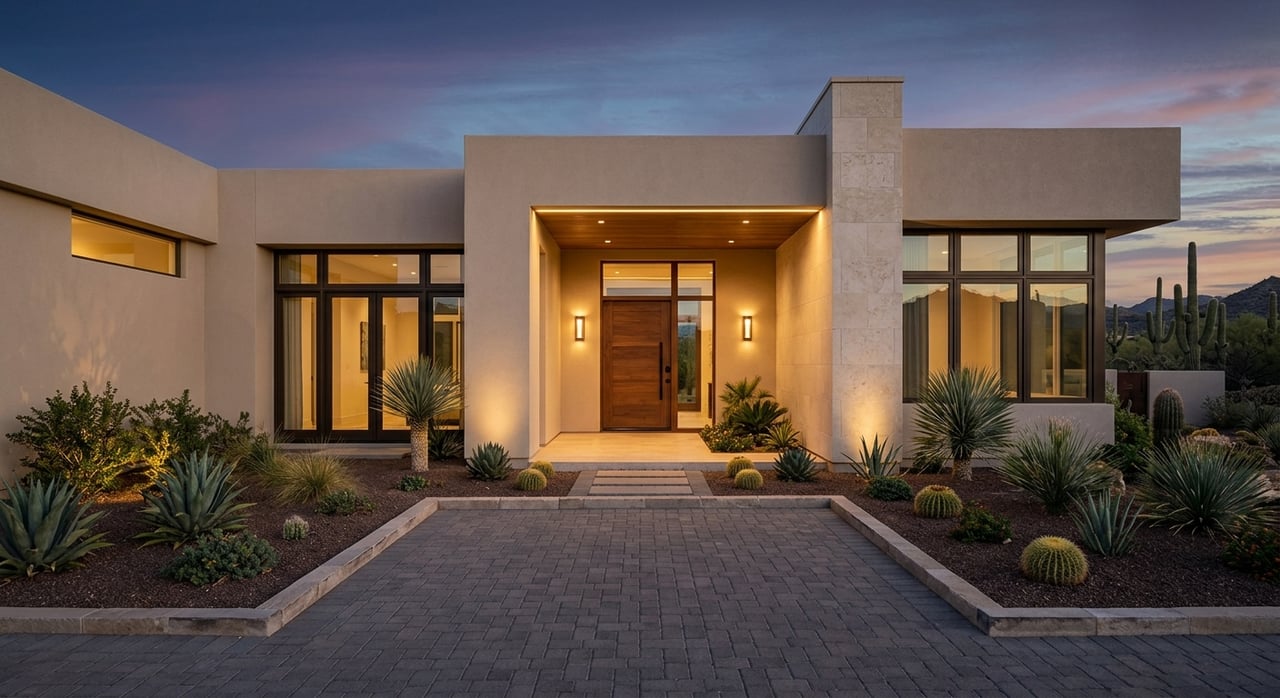
Choosing between Paradise Valley and Scottsdale for a lock-and-leave luxury home is not really about picking the “better” address. It is about finding the right fit for how you want to live when you are here, and how easy you want ownership to feel when you are away. If you are weighing privacy, upkeep, amenities, and rental flexibility, this guide will help you compare both markets with more clarity. Let’s dive in.
Lock-and-Leave Starts With Lifestyle
A lock-and-leave home should make life simpler, not create a second job. For most luxury buyers, that means looking beyond square footage and finishes to focus on maintenance, community structure, and day-to-day convenience.
In this comparison, Paradise Valley and Scottsdale serve different priorities. Paradise Valley tends to appeal to buyers who want a quieter estate setting, while Scottsdale often works better for buyers who want more low-maintenance choices and easier access to dining, shopping, and golf.
Paradise Valley Feels Like an Estate Enclave
Scale shapes the experience of a place. According to the latest U.S. Census QuickFacts for Paradise Valley, the town has 12,523 residents across 15.38 square miles.
That smaller scale helps explain why Paradise Valley feels more private and residential. The town describes itself as a premier, low-density community made up primarily of owner-occupied single-family homes, with many properties on at least one acre according to its residential housing policies.
For a lock-and-leave buyer, that setting can be a major plus if you value space, separation, and a true estate atmosphere. At the same time, larger homes and larger lots often mean more private upkeep, whether you handle that through staff, vendors, or a home management plan.
Ownership Patterns in Paradise Valley
Paradise Valley is strongly owner-oriented. Census QuickFacts report a 95.0% owner-occupied housing rate and a median owner-occupied home value above $2,000,000 in town.
Those numbers reinforce what many buyers already sense on the ground. Paradise Valley is built around long-term ownership and estate living, not a broad mix of housing types.
Scottsdale Offers More Flexibility
Scottsdale is much larger and more varied. The city reports 243,050 residents across 184.5 square miles, which creates a very different feel from Paradise Valley’s smaller footprint.
That size gives you more options if your idea of lock-and-leave includes a smaller single-family home, a home in an HOA-managed neighborhood, or a property closer to activity centers. Scottsdale’s 2025 Housing Needs Assessment notes that more than 65% of the city’s housing units are one-unit detached, while the city also includes both single-family and multifamily zoning areas.
In practical terms, Scottsdale simply gives you more ways to buy. That variety is a big reason many lock-and-leave buyers start their search there.
Why Variety Matters for Low-Maintenance Living
A broader housing mix often means more opportunities to find a home that matches your travel schedule and ownership style. If you want a residence with more built-in structure around exterior maintenance or neighborhood standards, Scottsdale often provides more choices.
The city’s support for HOA-related programming also shows how common managed communities are in the market. Scottsdale offers a Water Conservation HOA program and HOA-focused Neighborhood College resources, which signals that HOA living is a normal part of ownership for many residents.
Maintenance Is Often the Deciding Factor
If your goal is true ease of ownership, maintenance deserves as much attention as location. A beautiful home that needs constant oversight may not feel very lock-and-leave once you own it.
Paradise Valley’s planning framework emphasizes preserving a low-density residential character and one-acre lots except in limited special-use settings, according to the town’s community character planning documents. That usually points toward detached estate properties with more exterior space to maintain.
Scottsdale, by contrast, often gives you more opportunities to reduce hands-on upkeep through community design and housing type. Not every Scottsdale property is low-maintenance, of course, but the city’s broader range of homes makes it easier to target that goal.
HOA Rules Matter in Both Markets
A lock-and-leave purchase should always include a close review of HOA documents and CC&Rs. In both Paradise Valley and Scottsdale, governing documents can affect how you use the property when you are away.
In Paradise Valley, the town notes in its FAQ guidance that state law does not prevent homeowners associations from restricting short-term or business uses. For buyers who may want flexibility later, that means HOA rules can matter just as much as municipal rules.
Scottsdale buyers should take the same approach. The city allows many forms of ownership and rental use, but HOA restrictions may still limit what is possible in a specific community.
Dining and Daily Convenience Differ
Some buyers want their lock-and-leave home to feel like a peaceful retreat. Others want to step out the door and be close to restaurants, shopping, and entertainment. This is one of the clearest differences between Paradise Valley and Scottsdale.
Paradise Valley’s dining scene is concentrated around resorts and destination properties. The town’s restaurant guide highlights places such as Camelback Inn, Montelucia, Sanctuary Camelback Mountain, Mountain Shadows, Hermosa Inn, Andaz, and El Chorro.
That creates a polished, resort-oriented lifestyle. If you enjoy a quieter setting with luxury dining nearby rather than a dense urban-style district, Paradise Valley may feel like a better match.
Scottsdale Has a Denser Amenity Core
Scottsdale offers more immediate access to concentrated activity. According to Experience Scottsdale’s Old Town fact sheet, Old Town Scottsdale includes more than 90 restaurants, 320 retail shops, and more than 80 art galleries.
That density matters if convenience is part of your lock-and-leave definition. You may have more opportunities to stay close to dining districts, retail, and cultural attractions without depending as much on resort corridors.
Golf Access Is Strong in Both
Golf is a major part of the lifestyle equation for many second-home and luxury buyers. Both Paradise Valley and Scottsdale offer strong access, but the experience is a little different.
Paradise Valley’s golf resources highlight Camelback Golf Club and Mountain Shadows Golf Club, along with nearby options. That supports the town’s resort-adjacent and private residential feel.
Scottsdale is known for a broader concentration of marquee golf options. The city highlights destination appeal and luxury recreation on its official city overview, and the local golf identity includes high-profile courses such as TPC Scottsdale, Troon North, and Grayhawk referenced in Scottsdale tourism materials.
If golf is central to your lifestyle, both markets can work well. If you want the widest range of well-known courses and activity hubs nearby, Scottsdale usually has the edge.
Seasonal Use Is Normal in Both Areas
If you plan to live in your home only part of the year, you will not be unusual in either market. Both Paradise Valley and Scottsdale have well-established seasonal ownership patterns.
Paradise Valley’s 2022 General Plan says about 8% of the town’s housing is seasonal or used occasionally, and it notes that many owners do not occupy their homes year-round. That aligns well with the second-home profile many luxury buyers want.
Scottsdale also has a significant seasonal housing presence. The city’s 2025 Housing Needs Assessment lists 12,609 units as seasonal, recreational, or occasional use, which shows how established part-time ownership is across the city.
Rental Flexibility Depends on City and HOA Rules
Some buyers want a luxury home strictly for personal use. Others want the option to rent it when they are away. If that flexibility matters to you, the details matter.
Scottsdale states that short-term or vacation rentals are allowed by right in residential districts, subject to city requirements and HOA restrictions. The city also requires a license for each short-term or vacation rental, as outlined on its vacation and short-term rental page.
Paradise Valley takes a different administrative approach. The town requires a short-term rental permit and an Arizona transaction privilege tax license, while long-term rentals of more than 30 consecutive days do not require a town permit, based on the town’s published guidance in its housing materials.
The key takeaway is simple: if rental use is part of your plan, you should review both city requirements and HOA rules before you buy. A lock-and-leave strategy works best when those details are clear upfront.
Which Market Fits You Best?
If you want a quieter estate environment, larger lots, and a more residential feel, Paradise Valley may be the stronger fit. It is especially appealing if your version of luxury is privacy, space, and a retreat-like setting.
If you want more housing options, more HOA-managed possibilities, and easier access to dining districts, shopping, and marquee golf, Scottsdale is usually the more flexible fit. For many lock-and-leave buyers, that flexibility makes the search easier and ownership simpler.
The right answer depends on how you balance privacy, convenience, maintenance, and future use. If you want help comparing specific neighborhoods, home types, and ownership tradeoffs in either market, the Kapanicas Group offers the kind of local, high-touch guidance that can make your decision much more confident.
FAQs
Is Paradise Valley better for privacy in a lock-and-leave luxury home search?
- Yes, Paradise Valley generally offers a more private feel because the town emphasizes low-density residential living and primarily single-family homes on larger lots.
Does Scottsdale have more low-maintenance lock-and-leave options?
- Generally, yes. Scottsdale’s broader housing mix and more common HOA-managed communities can create more low-maintenance ownership choices.
Can you rent out a lock-and-leave home in Scottsdale or Paradise Valley?
- Possibly, but rental use depends on the city’s rules and the property’s HOA or CC&Rs, so both should be reviewed before you purchase.
Is dining more convenient in Scottsdale or Paradise Valley?
- Scottsdale usually offers more immediate everyday convenience because it has denser restaurant, retail, and gallery districts, especially around Old Town.
Are seasonal and second-home owners common in Paradise Valley and Scottsdale?
- Yes. Both markets have established patterns of seasonal or occasional use, which makes each one familiar with part-time ownership.