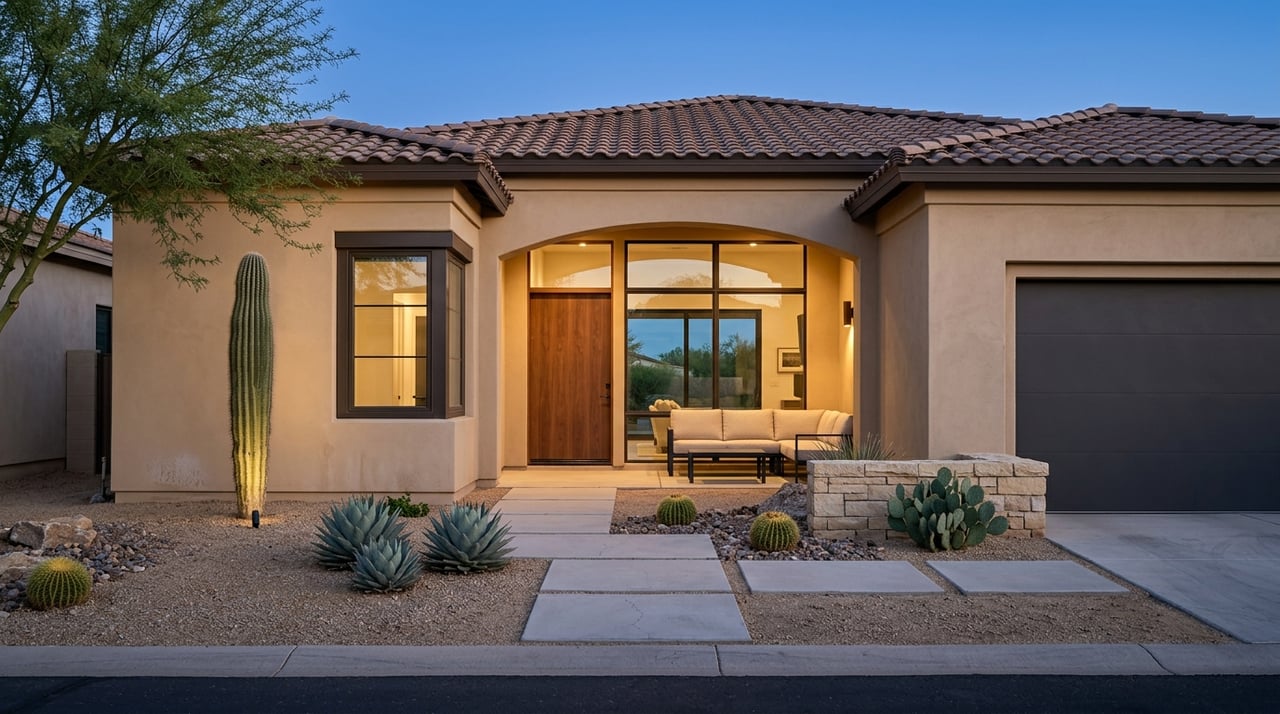
If you want desert views, trail access, and a luxury home that feels connected to the landscape, few settings in Phoenix stand out like the neighborhoods near the mountain preserves. These areas offer a rare mix of natural beauty and established city living, which is exactly why so many buyers look closely at homes near Camelback Mountain, Piestewa Peak, North Mountain, and Shadow Mountain. In this guide, you’ll learn what luxury living near the Phoenix Mountain Preserves really looks like, what tradeoffs to expect, and how to evaluate the right fit for your lifestyle. Let’s dive in.
Why preserve living stands out
Phoenix has more than 41,000 acres of desert parks and mountain preserves and more than 200 miles of trails. That scale shapes daily life in a way that feels different from many other luxury neighborhoods in the Valley.
For many buyers, the appeal is not just the home itself. It is the combination of view corridors, open-space adjacency, and immediate access to Sonoran Desert scenery while still living in established neighborhoods. That blend is a big part of what makes preserve-adjacent homes in Phoenix so distinctive.
Key preserve areas to know
Camelback Mountain
Camelback Mountain is one of the best-known hiking destinations in Phoenix and one of the city’s highest-profile preserve settings. Homes nearby often appeal to buyers who want dramatic surroundings and close access to an iconic part of the city.
That visibility comes with practical considerations. The city notes that parking is limited and parking on most nearby roads is prohibited, so convenience can be excellent for some owners while visitor activity may feel more noticeable than in quieter foothill pockets.
Piestewa Peak and Dreamy Draw
Piestewa Peak and Dreamy Draw are central to the luxury preserve story in Phoenix. The city describes this area as a gateway to diverse desert landscapes with fantastic views, secluded valleys, and dozens of miles of multi-use trails.
For buyers, that can mean a strong balance of scenery and recreation. If you want access to a broad trail network without feeling far removed from city amenities, this area often deserves a close look.
North Mountain and Shaw Butte
North Mountain and Shaw Butte are recognizable landmarks on the north valley skyline. That gives nearby homes a foothill identity that can feel very different from flatter suburban areas.
The surrounding village includes a diverse mix of residential neighborhoods and housing types. You may find a wider range of home styles, lot settings, and neighborhood patterns here than you would expect if you assume all preserve homes look the same.
Lookout and Shadow Mountain
Lookout and Shadow Mountain offer an appealing contrast to busier trail areas. The city notes that these peaks can provide strong views without the crowds and steep elevation gains found in nearby preserve destinations.
That quieter setting can be a major advantage if you want the foothill atmosphere without the same level of visitor traffic. Shadow Mountain also has more neighborhood-style access points, which can contribute to a less formal, more tucked-away feel.
What daily life really feels like
Luxury living near the preserves is about more than a beautiful backdrop. Your routines, timing, and even how you use outdoor space are shaped by the desert environment and the city’s preserve rules.
Many Phoenix trails are open from 5 a.m. to 11 p.m., but some trailheads have shorter parking or entrance hours. Camelback Mountain is sunrise to sunset with limited parking, and certain trailheads operate differently by season.
Early mornings matter
In preserve-adjacent neighborhoods, early starts are often part of everyday life. On National Weather Service Extreme Heat Warning days, the city restricts the Camelback Echo and Cholla trails and the Piestewa Peak Summit trail and related trails from 8 a.m. to 5 p.m.
The city also reported 121 days at 105°F or higher in 2024 and says more than 200 hikers are rescued annually from city desert and mountain parks and preserves. That makes heat awareness a practical part of living near the trails, not just a seasonal talking point.
Parking and access vary by area
Not every preserve neighborhood functions the same way. Camelback has limited parking and stricter road parking rules, while Shadow Mountain has no designated trailhead and limited street parking at certain access points.
That difference matters when you compare neighborhoods. One area may feel more active and destination-oriented, while another may feel more residential and low-key.
Pet rules can affect your routine
If outdoor time with a dog is part of how you picture preserve living, check the rules carefully. Camelback Mountain prohibits dogs year-round, and the Piestewa Peak Summit trail also prohibits dogs year-round.
Those details can influence how convenient a location feels for your household. A home with great views may still not match your day-to-day lifestyle if your preferred trail use is limited.
How preserve settings shape luxury homes
Near the Phoenix Mountain Preserves, the most compelling homes are often defined by their site as much as their size. Slope, orientation, privacy, and how the home sits on the land can all have a major impact on long-term appeal.
Phoenix’s Hillside Ordinance was adopted to preserve visual integrity and character and to minimize disturbance on sensitive desert soils. The city requires hillside review for properties with 10% or greater slope, with attention to building height over natural grade, lot coverage, and disturbance outside the roof area.
Architecture tends to be site-sensitive
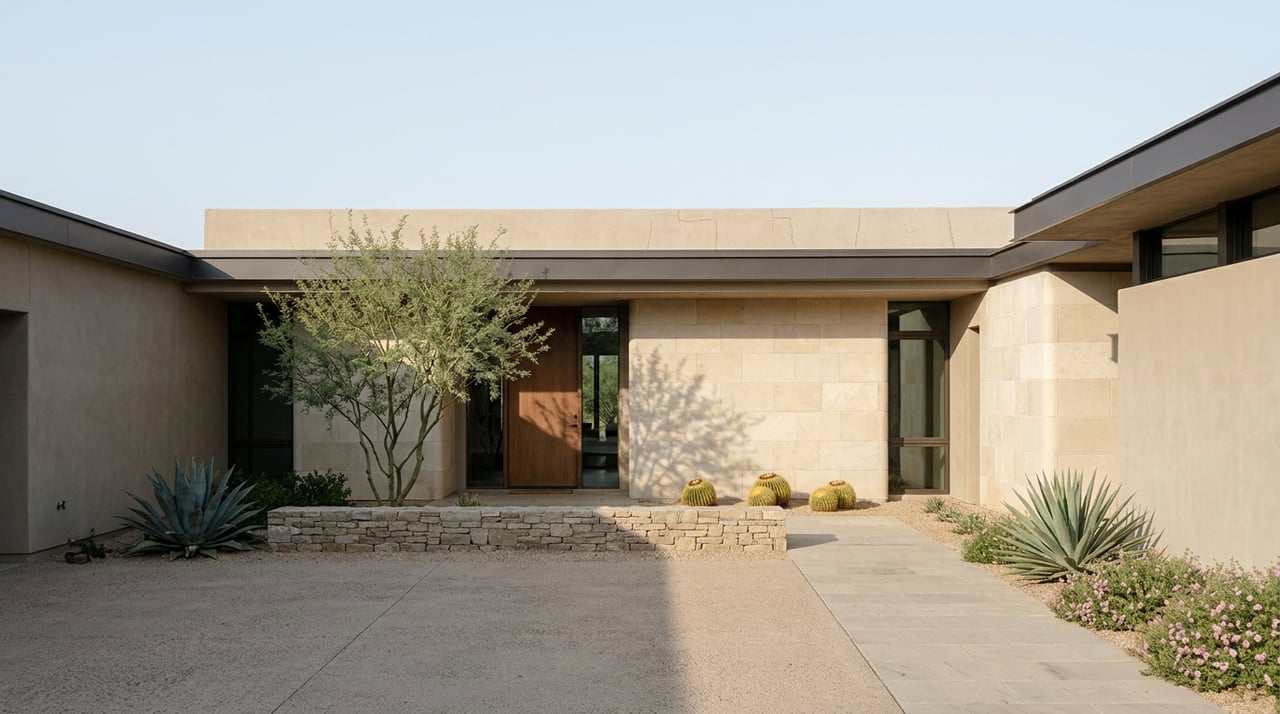
That hillside framework helps explain why many preserve-adjacent homes emphasize custom architecture and careful grading. In these settings, luxury often shows up in how well a property works with the land, not in how much it tries to overpower it.
You will also see meaningful variety. The broader area includes mid-century-era neighborhoods, resort-oriented settings, and custom hillside homes rather than one single design style.
Privacy often comes from positioning
In preserve areas, privacy is often tied to topography, setbacks, and adjacency to open space. A well-positioned lot can create a strong sense of separation even in an established neighborhood.
That is why two homes with similar square footage may feel very different in person. One may offer broader vistas and more seclusion, while the other may prioritize convenience and neighborhood connectivity.
Outdoor living and landscape choices
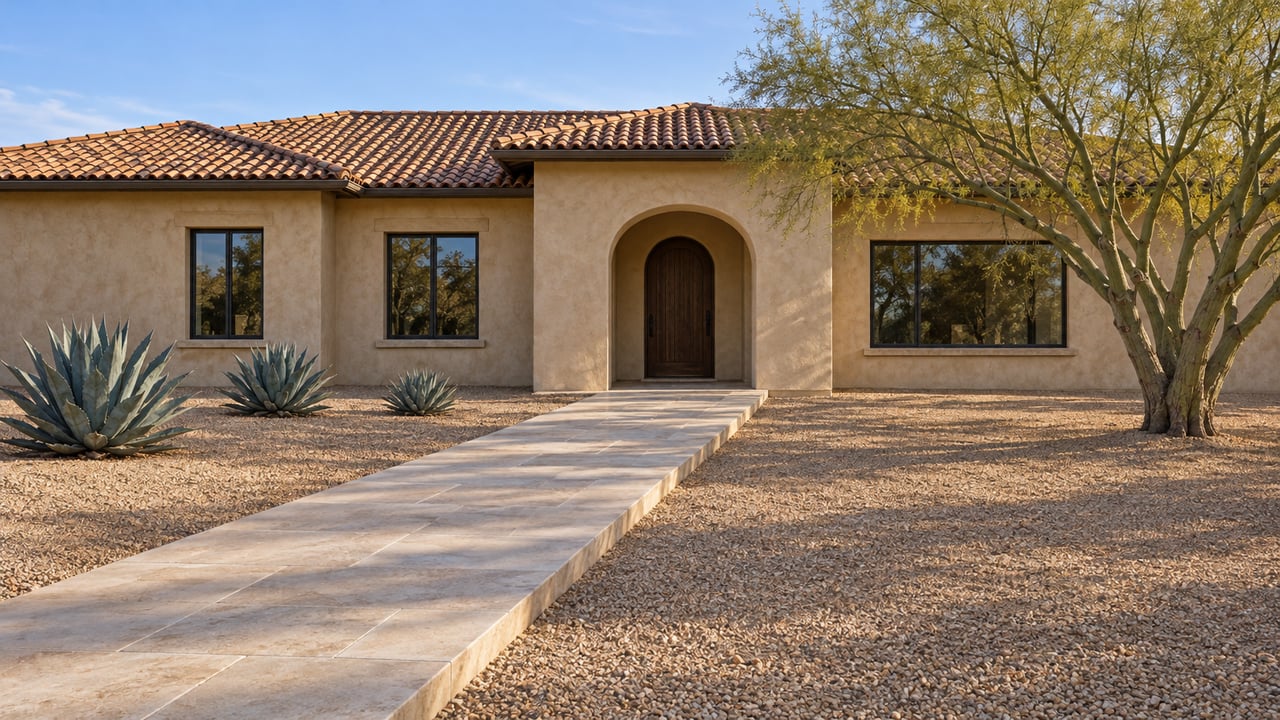
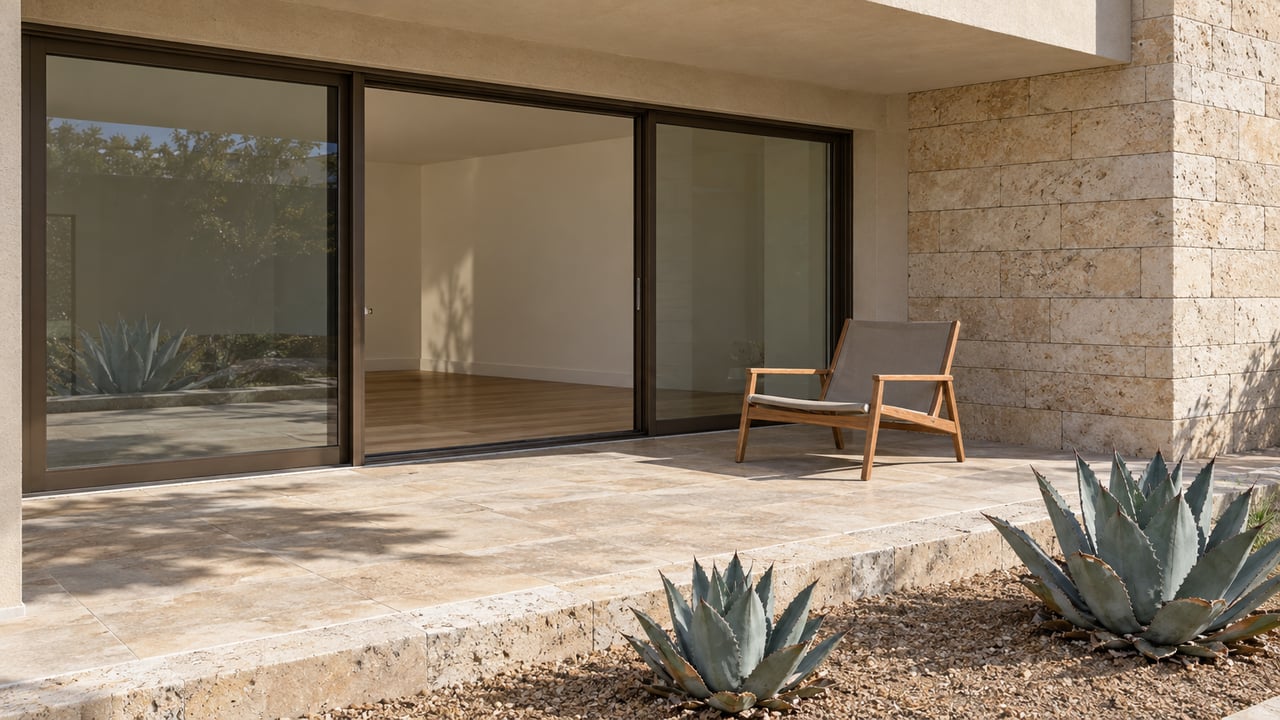
Outdoor space is a major part of luxury living in Phoenix, especially near the preserves. But in this environment, the most functional outdoor spaces are usually designed with climate and water use in mind.
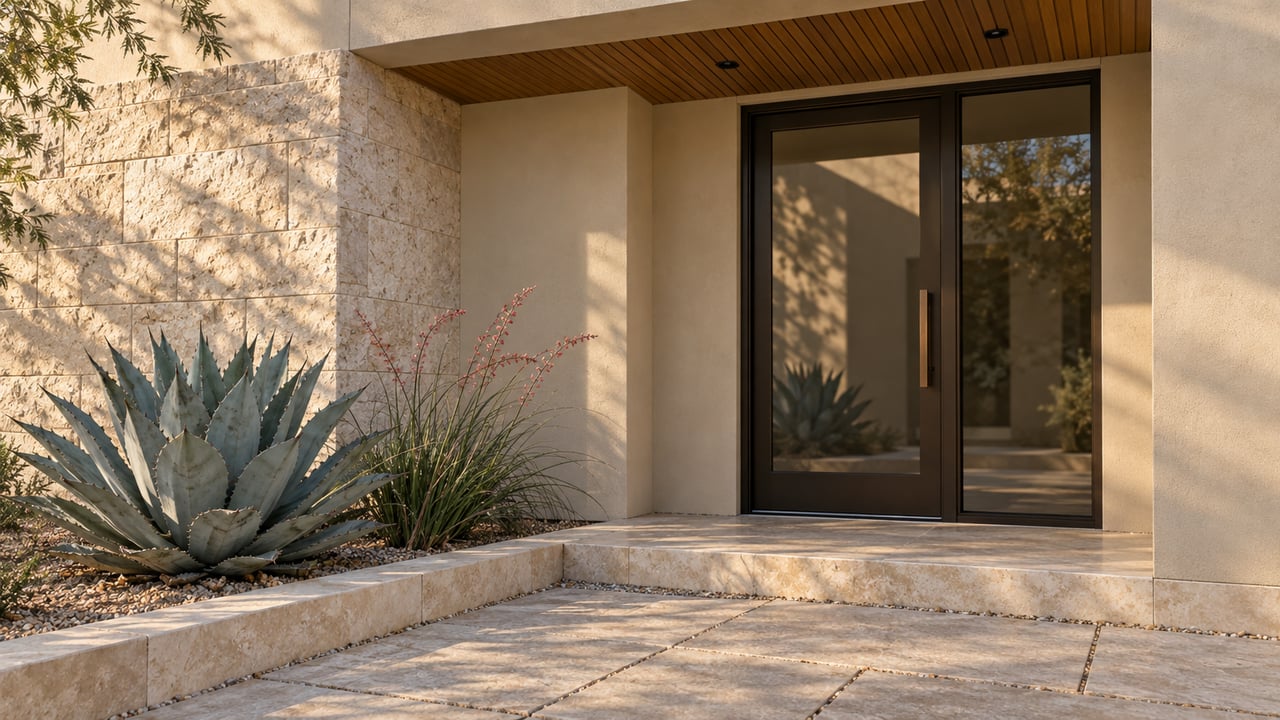
The city says up to 70% of household water use is outdoors and encourages low-water-use, desert-friendly plants adapted to Phoenix conditions. For many homeowners, that supports a landscape strategy focused on shade, texture, and usable outdoor rooms rather than large turf-heavy lawns.
Fire safety is part of ownership
If a property borders preserve land, wildfire awareness matters. Phoenix’s annual fire ban runs from May 1 through September 30 unless extended, and during the ban campfires, fire pits, and charcoal grills are prohibited in preserves.
The city also states that residents bordering preserve land may clear dry brush and dead branches within a 10-foot buffer zone to help reduce brush-fire risk. For buyers, this is another reminder that preserve living comes with both lifestyle rewards and stewardship responsibilities.
Amenities beyond the trails
One reason these neighborhoods stay so attractive is that preserve access does not mean giving up convenience. In Phoenix, many foothill and preserve-adjacent areas sit close to established retail, dining, employment, and recreation corridors.
Camelback East includes Papago Park, an 18-hole golf course, the Phoenix Zoo, the Desert Botanical Garden, and three five-star resorts. Paradise Valley Village is known for a blend of shopping, housing, and employment, with destinations like Paradise Valley Mall and Kierland Commons drawing visitors from across the Valley.
North Mountain also adds neighborhood parks, canal paths, and access to schools and universities. The result is a lifestyle that can feel both outdoors-oriented and highly connected to the rest of the city.
How Phoenix preserve areas compare
It helps to remember that Phoenix does not offer just one foothill lifestyle. Different preserve settings create very different living experiences depending on your priorities.
For example, Ahwatukee Foothills offers a low-rise environment of quiet, master-planned single-family neighborhoods with South Mountain access and easy freeway connectivity. By contrast, preserve-adjacent neighborhoods in central and north Phoenix are generally more urban, more varied, and often closer to major amenity clusters.
If you are deciding between these submarkets, the real question is usually not which is better. It is which pattern of daily life fits you best.
What luxury buyers should weigh
When you evaluate homes near the Phoenix Mountain Preserves, it helps to look beyond finishes and square footage. The most important factors often show up in how the location supports your routine.
Here are a few smart questions to ask:
- How close is the nearest trail access, and what are the parking rules?
- Does the area feel active and destination-driven, or quieter and more residential?
- Is the lot affected by hillside review or slope-related design constraints?
- How do heat restrictions and trail rules affect how you plan to use the area?
- Does the outdoor space reflect desert-friendly, lower-water landscaping?
- If the home borders preserve land, what fire-safety maintenance may be involved?
These are the details that help you separate a beautiful house from the right house.
Why local guidance matters
Preserve-adjacent luxury in Phoenix is highly specific. Two homes may be only a few miles apart yet offer very different experiences based on trail activity, access patterns, lot orientation, architecture, and neighborhood context.
That is where local insight becomes valuable. When you understand the tradeoffs clearly, you can buy or sell with more confidence and make decisions that support both your lifestyle and long-term goals.
If you are exploring luxury homes near the Phoenix Mountain Preserves or preparing to position one for sale, Kapanicas Group offers boutique guidance backed by deep local knowledge, high-touch service, and consultative strategy.
FAQs
What makes luxury living near the Phoenix Mountain Preserves unique?
- Luxury living near the preserves stands out because it combines established Phoenix neighborhoods with open-space adjacency, desert views, and direct access to a large city preserve and trail system.
Which Phoenix preserve areas are most relevant for luxury buyers?
- The key areas highlighted by the city and most relevant to luxury buyers are Camelback Mountain, Piestewa Peak and Dreamy Draw, North Mountain and Shaw Butte, and Lookout and Shadow Mountain.
What should buyers know about trail access near Phoenix preserve homes?
- Buyers should know that trail access, parking, and operating hours vary by area, with some locations like Camelback having limited parking and stricter road parking rules.
How does extreme heat affect living near Phoenix preserves?
- Extreme heat can shape daily routines because certain major trails are restricted during Extreme Heat Warnings, and early morning activity is often the most practical choice in warmer months.
Do preserve-adjacent homes in Phoenix face design restrictions?
- Some do, especially on sloped sites, because Phoenix requires hillside review for properties with 10% or greater slope and evaluates factors like building height, lot coverage, and site disturbance.
Are dogs allowed on all Phoenix preserve trails?
- No, they are not. Camelback Mountain and the Piestewa Peak Summit trail prohibit dogs year-round, so buyers should check rules if pet-friendly trail use is important to them.
What landscape features make sense for luxury homes near Phoenix preserves?
- Desert-friendly, low-water landscaping often makes the most sense because Phoenix encourages plants adapted to local conditions and notes that a large share of household water use happens outdoors.