If you are shopping for luxury in Phoenix, style is never just about curb appeal. In this market, the look of a home is often tied to lot size, mountain views, mature shade, neighborhood character, and sometimes historic review rules that can affect what changes you can make. If you want to understand which luxury home styles show up where, and what that means for your search or sale, this guide will help you sort through the city’s main patterns. Let’s dive in.
Why Phoenix luxury looks different
Phoenix luxury real estate is shaped by the desert climate as much as by architecture. The City of Phoenix notes that shade can make hot conditions feel up to 30 degrees cooler, and its Tree and Shade Master Plan says strategically planted trees can reduce heating and cooling costs by an average of 25% annually.
That helps explain why buyers often place real value on mature landscaping, covered outdoor spaces, lot orientation, and tree canopy. In Phoenix, a beautiful home that also handles sun and heat well can stand out more than a flashy design that ignores the environment.
Another key factor is planning and preservation. Phoenix has 36 residential historic districts, and historic properties within HP overlay zoning are subject to review for many exterior changes. That means a home’s style may be tied not only to taste, but also to the rules and protections that help preserve its character.
Contemporary desert homes in Phoenix
What defines this style
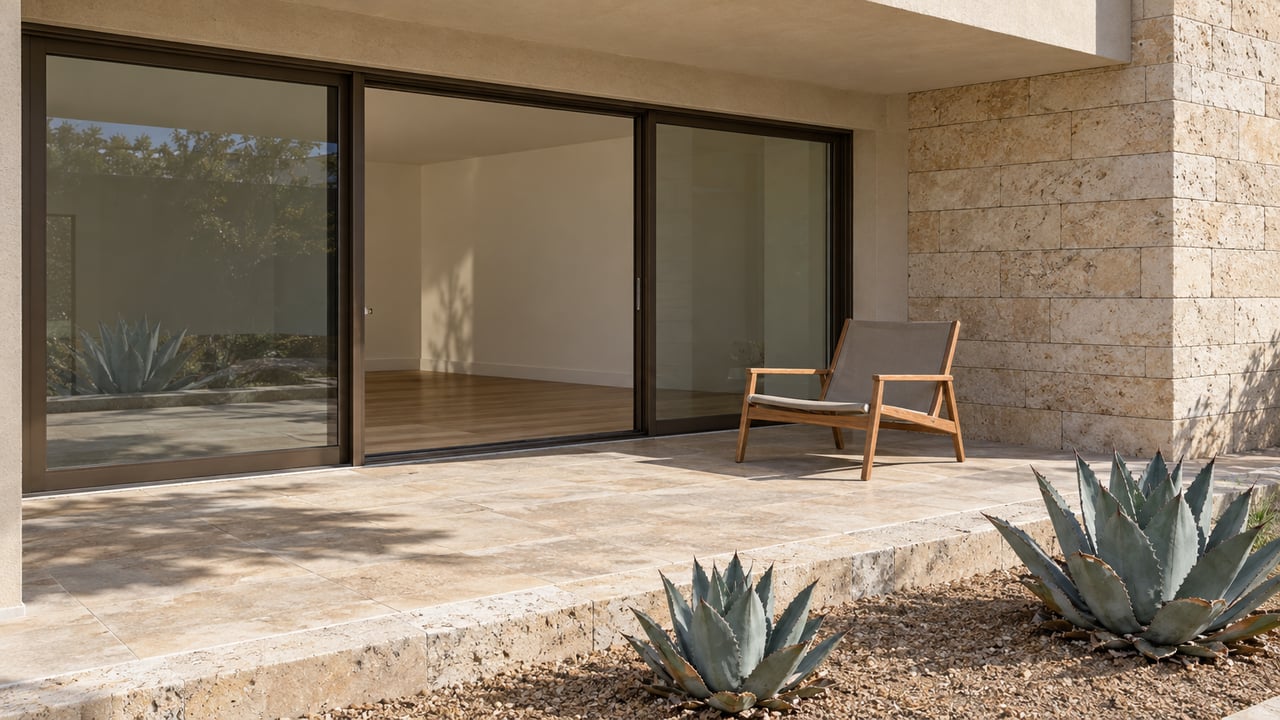
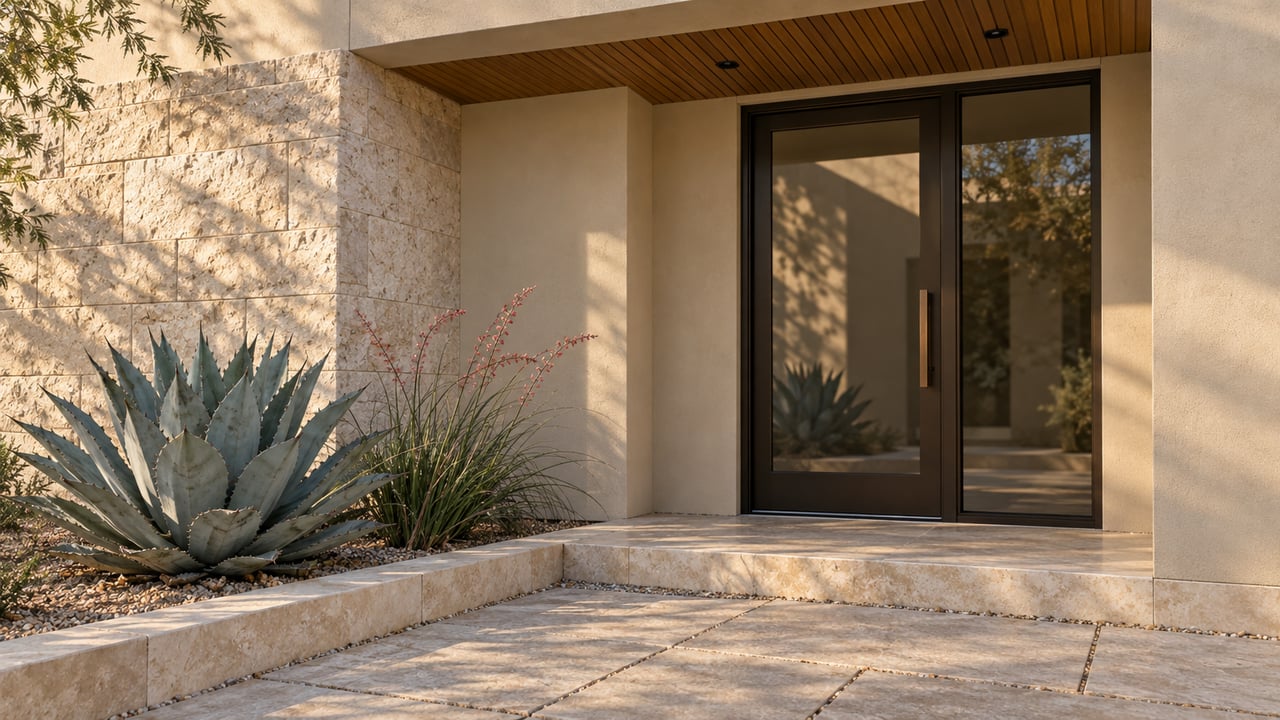
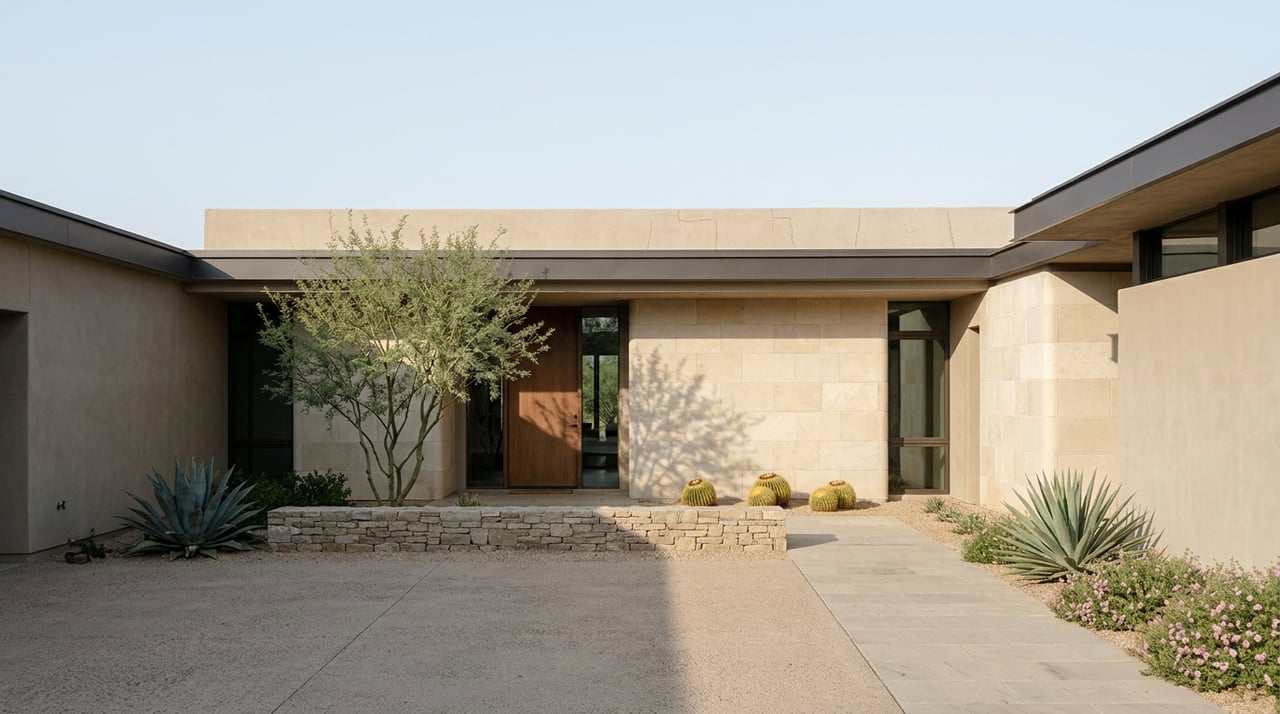
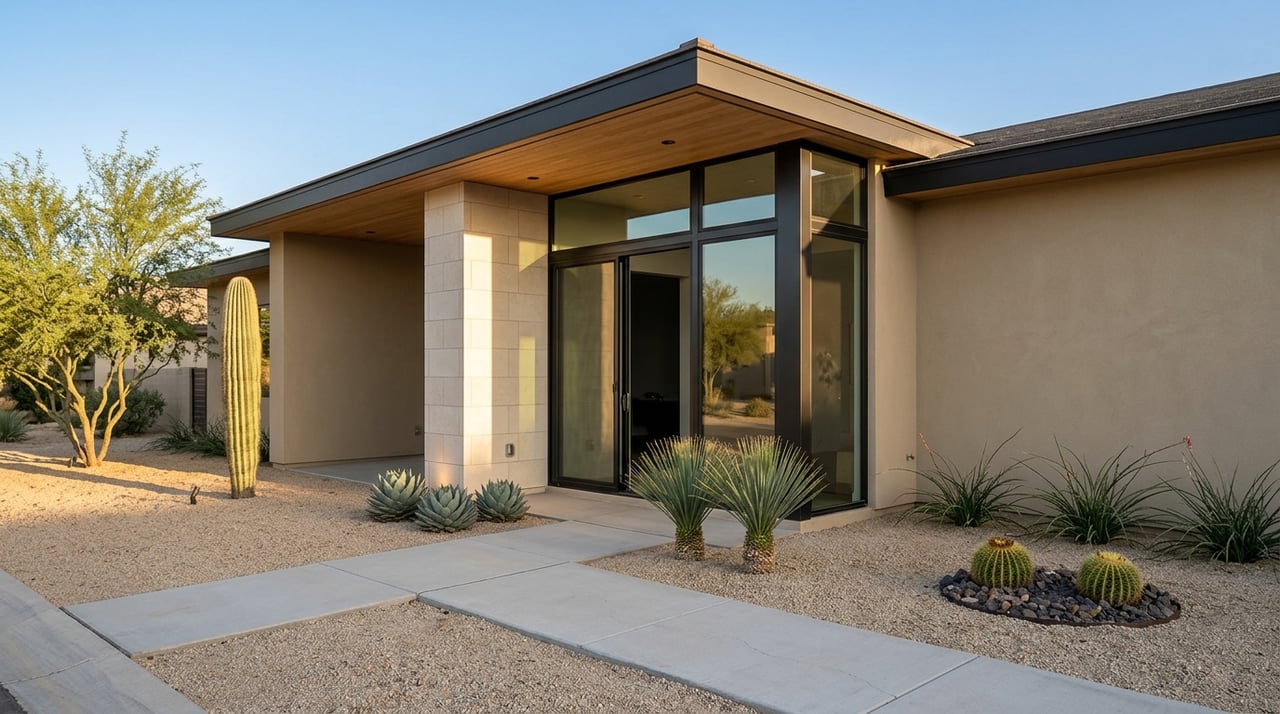
Contemporary desert, sometimes called desert modern, is one of the most recognizable luxury styles in newer Phoenix neighborhoods. You will usually see clean lines, strong indoor-outdoor flow, broad windows, simple massing, and landscape design chosen to handle heat and sun.
This style tends to fit the land rather than fight it. In areas shaped by open space, scenic desert views, and low-rise development patterns, contemporary desert homes often feel like a natural extension of the setting.
Where to find contemporary desert homes
The strongest match for this style is in Phoenix foothill and village-edge areas. City planning materials point to South Mountain, Ahwatukee Foothills, Desert View, and North Mountain foothills as places where you see custom homes, large-lot residences, desert views, and master-planned single-family patterns.
If you are looking for newer luxury construction with a view-oriented setting, these areas deserve a close look. They are especially relevant if you want privacy, larger parcels, or a home designed around outdoor living in a desert environment.
Classic ranch and transitional ranch homes
What defines this style
Ranch homes remain one of the most important luxury categories in Phoenix, especially in older neighborhoods. At the luxury end of the market, these homes often stand out because of their width, livability, lot size, and the potential for thoughtful updates or expansions.
Phoenix historic materials identify Transitional/Early Ranch homes as especially important in North Encanto. The city also describes Alhambra as being characterized by small postwar ranch-style homes, while North Central Avenue adds a different layer with larger lots and mature landscaping that can make ranch homes feel much more estate-like.
Where to find ranch-style luxury homes
If ranch is your style, start with Arcadia and Arcadia Camelback, where the city describes older housing stock and a higher quality of homes in a mature neighborhood at the foot of Camelback Mountain. This is one of the strongest areas for remodeled ranch homes, custom rebuilds, and contemporary replacements.
You should also pay attention to North Central Phoenix, Murphy Bridle Path, and the east side of Alhambra. These areas combine larger lots, older custom homes, and classic ranch architecture in a way that often appeals to buyers who want both land and character.
Spanish Colonial and Pueblo Revival homes
What defines this style
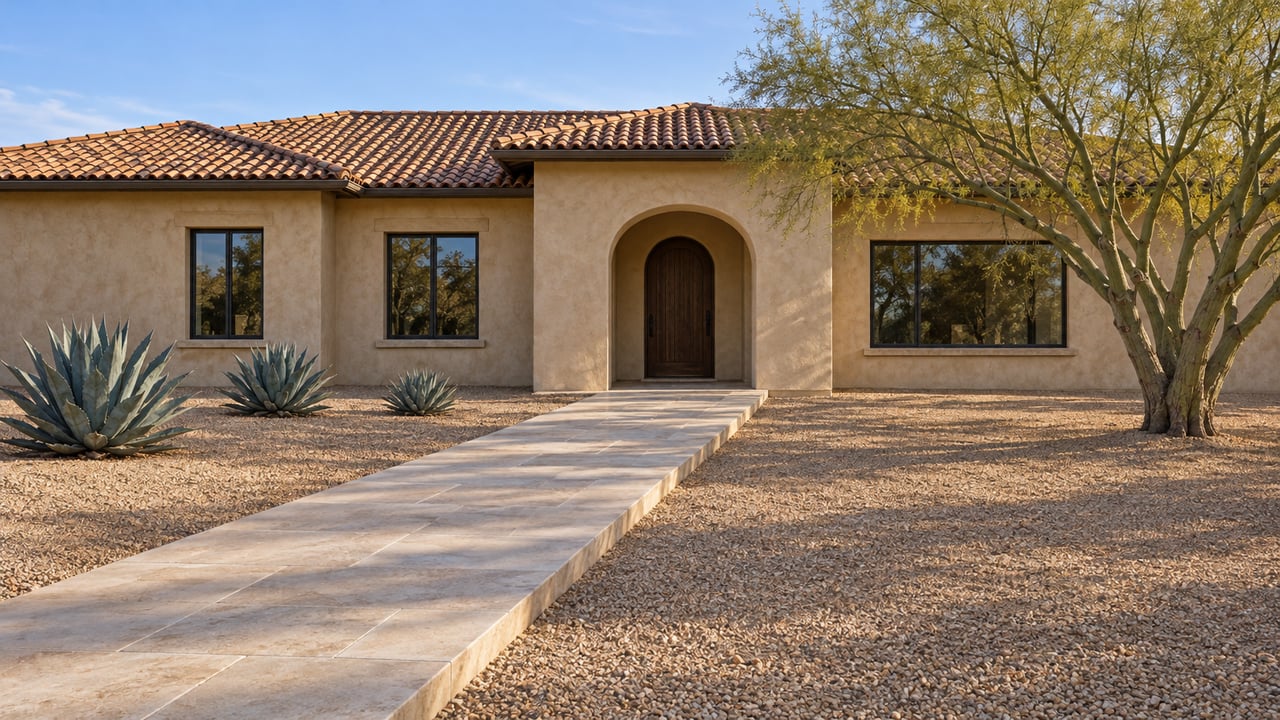
For buyers who want architectural character and a stronger historic feel, Phoenix offers a Southwestern revival vocabulary that includes Spanish Colonial Revival and Pueblo Revival homes. These styles often show up in older estate settings, preserved districts, and individually designated historic properties.
Phoenix historic survey materials and register information document multiple examples of these styles. In North Encanto, Pueblo Revival appears alongside ranch and Art Moderne as part of the district’s architectural mix.
Where to find revival-style homes
These homes are most likely to appear in historic districts, preserved central neighborhoods, and older estate corridors rather than in newer master-planned communities. Encanto is especially important because it has the greatest concentration of historic districts in Phoenix.
If your goal is to find a home with architectural distinction and a stronger sense of place, this part of Phoenix offers some of the city’s most notable options. Just keep in mind that older historic properties may come with added review requirements for exterior work.
Mid-century modern and modern infill
What defines this style
Mid-century modern has real staying power in Phoenix. The city says a major portion of Camelback East housing stock was built between 1950 and 1970, and that the area includes neighborhoods with mid-century modern design elements.
In practical terms, this gives buyers access to homes with clean forms, period details, and an urban location. It also creates opportunities for modern infill, which usually means a newer custom home or substantial rework placed within an older neighborhood grid instead of a new edge-of-city subdivision.
Where to find mid-century and infill homes
The best places to look are Camelback East, the Biltmore corridor, Encanto, and the Central Avenue corridor. These areas combine older housing eras, architectural variety, and urban luxury patterns that support both preserved mid-century homes and carefully placed newer custom projects.
North Central Avenue also belongs in this conversation because of its architectural diversity and custom homes from different eras. If you want a luxury home that feels less master-planned and more rooted in the history of central Phoenix, this is an important category.
Resort-estate homes in Phoenix
What defines this style
Some Phoenix luxury homes are best understood through a resort-estate lens. These properties tend to have more formal proportions, a legacy feel, and a setting tied to one of the city’s classic luxury corridors.
The clearest reference point is the Arizona Biltmore, which Phoenix describes as a 1929 landmark with Frank Lloyd Wright-influenced architecture. The Wrigley Mansion, which sits high above the area, reinforces the image of the Biltmore district as one of Phoenix’s signature resort-adjacent luxury settings.
Where to find resort-estate luxury
Look most closely at the Camelback East and Biltmore corridor. This area blends resort living, established luxury identity, and housing from an era that supports both updated estates and architecturally distinctive older homes.
For buyers and sellers, the appeal here is not just the house itself. It is also the larger image of the area, which carries a sense of legacy and place that many luxury buyers value.
How neighborhood shapes style
A useful way to think about Phoenix is to match style with geography. In broad terms, inner-ring central Phoenix is where you are more likely to see ranch, revival, and mid-century homes.
Central corridor and historic districts lean toward preserved architecture and custom infill. Foothills and village-edge areas tend to align with contemporary desert and view-oriented custom luxury. Estate corridors often combine larger lots, mature landscaping, and resort-influenced or architecturally significant homes.
That framework can make your search more efficient. Instead of touring every luxury property type in every part of the city, you can start with the areas that naturally fit the style and lifestyle you want.
What buyers should watch closely
In Phoenix, a luxury home’s long-term comfort and upkeep often depend on practical details. For newer homes, desert exposure matters. Roof condition, HVAC capacity, window performance, stucco and exterior finish quality, irrigation design, and tree and shade cover can all have a meaningful impact on daily livability and ongoing maintenance.
Arizona Cooperative Extension says sufficient irrigation is a high priority during drought and extreme heat. Combined with the city’s guidance on the value of shade, that means landscaping is not just cosmetic in Phoenix. It is part of how a property performs.
If you are considering an older or historic home, the checklist changes. Character and authenticity can be major value drivers, but exterior work may require historic review, and some projects can require a Certificate of Appropriateness through the city.
What sellers should highlight
If you are selling a luxury home in Phoenix, style should be presented as part of a larger story. Buyers are not just comparing finishes. They are also comparing neighborhood setting, lot size, privacy, shade, views, and how well the home fits the expectations of that part of Phoenix.
For ranch, revival, and historic homes, authenticity and setting often matter most. For contemporary desert homes, buyers usually focus on indoor-outdoor design, energy-conscious features, and how the home responds to heat and sun. For resort-estate properties, the location identity and architectural presence can be a major part of the value proposition.
That is where pricing strategy and presentation matter. A home positioned correctly within its style category and neighborhood context often tells a clearer story to the right buyer.
Matching your goals to the right area
The best Phoenix luxury home for you depends on more than price point. If you want history and architectural charm, central Phoenix and historic districts may be your best fit. If you want a cleaner modern look with desert views and newer construction, foothill areas and village-edge neighborhoods may align better.
If you are preparing to sell, understanding your home’s style category can help shape everything from pre-listing improvements to photography and pricing. In a market with this much variety, the strongest results usually come from reading both the property and the neighborhood correctly.
Whether you are buying your next home or planning a future sale, Phoenix rewards local knowledge. If you want tailored guidance on luxury neighborhoods, architectural styles, or pricing strategy in Phoenix and nearby foothill communities, Kapanicas Group is here to help.
FAQs
Where can you find ranch-style luxury homes in Phoenix?
- Ranch-style luxury homes are most commonly found in Arcadia, Arcadia Camelback, North Central Phoenix, Murphy Bridle Path, and parts of Alhambra, where larger lots, mature landscaping, and older custom housing are part of the neighborhood pattern.
Which Phoenix areas have contemporary desert luxury homes?
- South Mountain, Ahwatukee Foothills, Desert View, and North Mountain foothill areas are strong places to look for contemporary desert homes, especially if you want views, custom construction, or large-lot settings.
What should you know about buying a historic luxury home in Phoenix?
- Historic luxury homes can offer strong architectural character and setting, but many exterior changes may require city historic review, and some work may need a Certificate of Appropriateness.
Where can you find mid-century modern luxury homes in Phoenix?
- Camelback East, the Biltmore corridor, Encanto, the Central Avenue corridor, and parts of North Central Phoenix are some of the most relevant areas for mid-century modern homes and modern infill.
Why does shade matter for Phoenix luxury homes?
- The City of Phoenix says shade can make hot conditions feel up to 30 degrees cooler, and strategically planted trees can reduce heating and cooling costs by an average of 25% annually, so shade can affect both comfort and operating costs.
How can sellers position a Phoenix luxury home by style?
- Sellers can improve their positioning by framing the home around its true style category, neighborhood context, lot characteristics, and practical features like views, privacy, mature landscaping, or indoor-outdoor design.