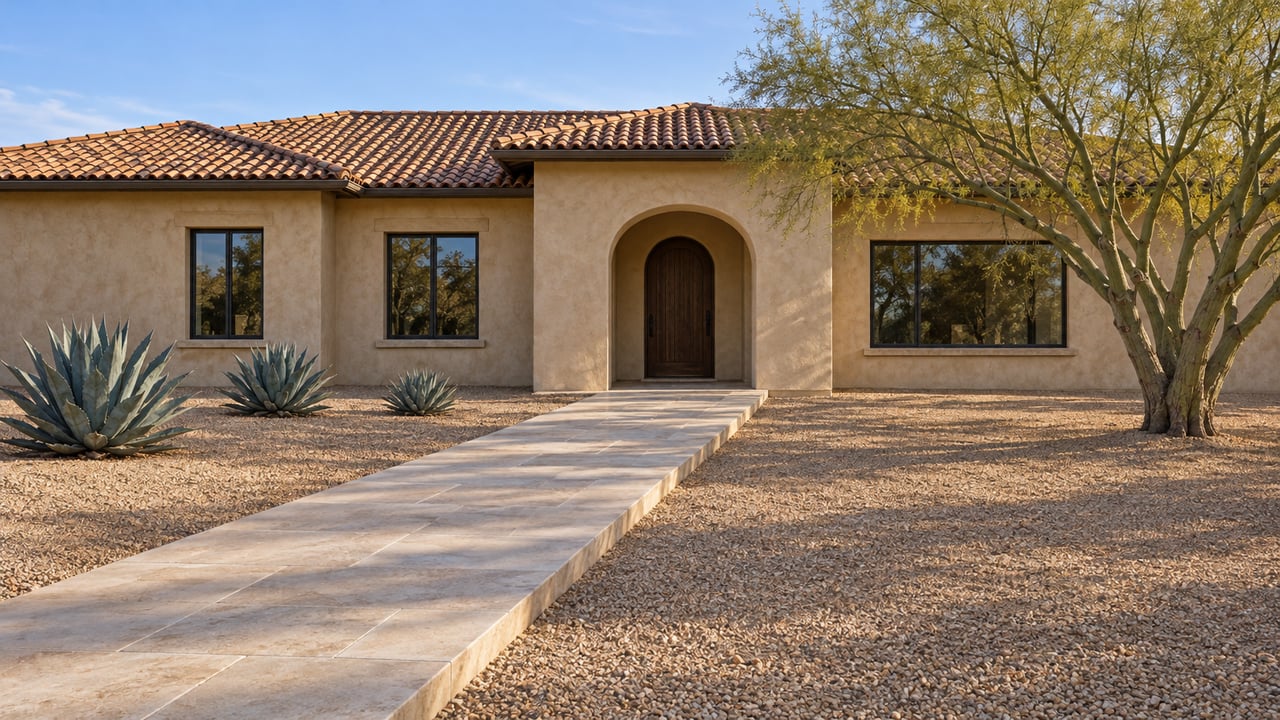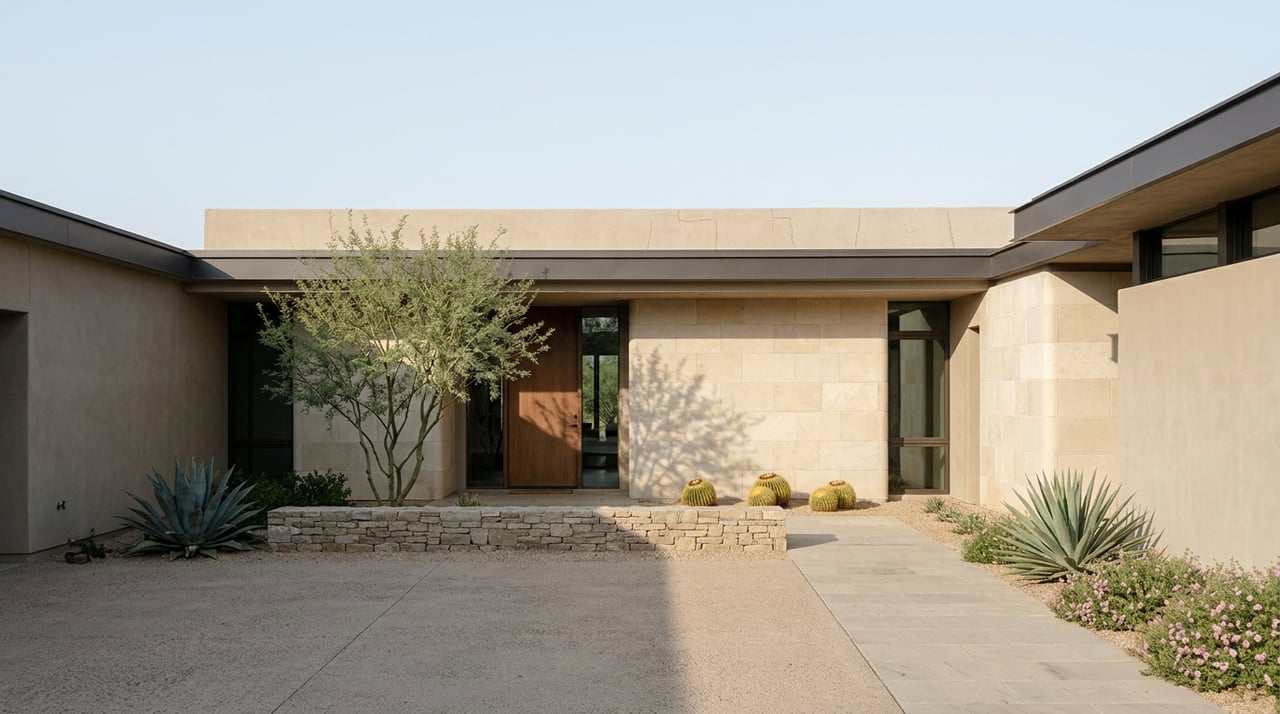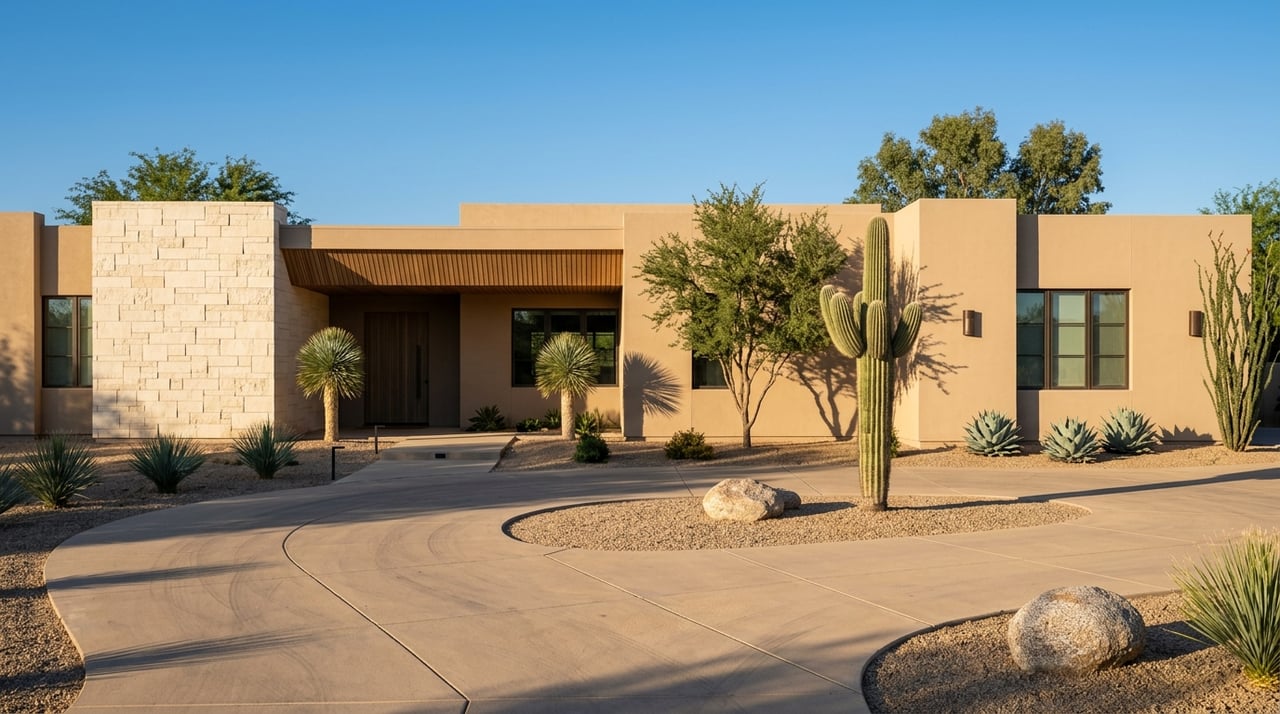
Choosing a luxury home in Paradise Valley is not just about the house. In many cases, the lot is the real story. If you are buying here, the shape, slope, access, and zoning of a parcel can affect your privacy, views, outdoor living, and what you may be able to build or change later.
That is why understanding lot types matters before you make an offer. A property may look ideal at first glance, but the usable area and review requirements can be very different from what the raw square footage suggests. This guide will help you understand the main luxury lot types in Paradise Valley and what each one can mean for your daily life and long-term plans. Let’s dive in.
Why lot type matters in Paradise Valley
Paradise Valley is a compact, low-density town covering 15.4 square miles. It is predominantly zoned for single-family housing, and the town notes that it is home to 3 golf courses. In a market like this, the lot often plays a major role in value, lifestyle, and design potential.
The town’s zoning ordinance regulates more than lot size alone. It also addresses frontage, setbacks, height, and open space. That means two homes with similar square footage can offer very different opportunities depending on the parcel beneath them.
Paradise Valley zoning at a glance
Paradise Valley includes several residential zoning districts that help shape the feel of a property. Minimum lot size and width depend on the zoning designation, and that can influence how spacious or estate-like a homesite feels.
Here are key zoning scale markers buyers should know:
| Zoning District | Minimum Lot Size | Minimum Lot Width |
|---|---|---|
| R-175 | 175,000 sq ft | 165 ft |
| R-43 | 43,560 sq ft | 165 ft |
| R-35 | 35,000 sq ft | 150 ft |
| R-18 | 18,000 sq ft | 120 ft |
| R-10 | 10,000 sq ft | 100 ft |
In general, the larger zoning districts create the classic estate-parcel feel that many buyers associate with Paradise Valley. Even the smaller districts remain generous by metro standards. Still, the zoning label is only the starting point, because topography, drainage, access, and review rules can all affect what is practical on the site.
Estate-size parcels
Estate-size parcels are some of the most recognized lot types in Paradise Valley. They are most closely tied to the town’s largest residential districts, especially R-43 and R-175. These lots often support a sense of separation, longer driveways, broad landscape buffers, and more room for outdoor features.
For many buyers, that translates to flexibility. You may have space for a pool, patio areas, guest spaces, and more expansive outdoor living. At the same time, larger lots can also mean more site work, more landscape upkeep, and more planning if you want to alter grading or drainage.
In non-hillside R-43 and R-175 properties, lot size can also affect maximum allowed height. The town’s current height-certification form states 24 feet for lots under 3 acres, 26 feet for lots from 3 acres to under 4 acres, and 30 feet for lots 4 acres or larger, including chimneys. That makes lot size more than a lifestyle feature. It can also shape the scale of the home itself.
Hillside lots
Hillside lots are among the most visually compelling properties in Paradise Valley, but they also require careful review. Hillside regulations apply in designated hillside areas and on land where the natural terrain under the building pad has a slope of 10% or greater. If you are drawn to elevation and view potential, this is one of the first issues to verify.
The Hillside Building Committee reviews new construction for land disturbance, heights, lighting, building materials, grading, and drainage. The town’s FAQ notes that the typical maximum height of a hillside building is 24 feet. That can influence not just architecture, but also how a home is positioned to capture views while staying within local requirements.
From a buyer’s point of view, hillside lots can offer a strong sense of setting. They may also require more design discipline, more due diligence, and more patience in the review process. A beautiful slope on paper does not always equal a simple build.
Golf-adjacent lots
Paradise Valley’s 3 golf courses make golf-adjacent homes an important lot type to understand. These lots are often chosen for openness, green outlooks, and a view-oriented setting. For some buyers, that visual breathing room is a major draw.
The trade-off is that openness and privacy do not always move together. A golf-edge location may feel expansive, but you will also want to evaluate sight lines, exposure, and the day-to-day activity that may come with being near a course. The right fit depends on whether you value broader views or a more enclosed setting.
Wash-adjacent lots
Wash-adjacent and drainage-corridor lots deserve close attention in Paradise Valley. The town explains that washes and arroyos are intended to collect storm-water runoff and channel it through town. It also warns that severe flooding can occur when wash capacity is exceeded or blocked.
These lots can offer a sense of privacy and preserved open space. However, they also raise practical questions about drainage, maintenance, and site planning. Residents must maintain private-property washes, and state law prohibits blocking washes.
If a property sits near a wash, be sure to ask what drainage features, easements, or retention areas affect the site. The town’s permit materials show that grading permits require a grading-and-drainage plan, and wash, retention, and drainage easement documents may be needed during submittal. That makes this lot type one of the most important to evaluate beyond surface appearance.
Flag lots and irregular parcels
Some luxury buyers are drawn to lots that feel tucked away from the street. In Paradise Valley, that may mean a flag lot or another irregular-access parcel. The town defines a flag lot as one reached by a narrow flagpole portion of the property or a neighboring ingress and egress easement.
These lots can create privacy and separation, which many buyers value. But shape and access can matter just as much as size. A narrow approach, unusual frontage, or multiple frontages can affect driveway design, setback interpretation, and the practical building envelope.
The town also notes that existing flag lots may predate newer code requirements. In addition, lots with double or multiple frontages may need a front-yard designation determination. For a buyer, that means the parcel may require more interpretation before you assume where improvements can go.
Cluster-plan parcels
Cluster-plan parcels are less common, but they are important to recognize. In Paradise Valley, cluster-plan zoning can apply to R-43 and R-35 tracts of at least 8 acres. This allows variation in lot sizes while preserving open space rather than following a conventional one-lot-per-acre pattern.
The ordinance states that common lands may include parks, bridle paths, golf courses, or hiking trails. For buyers, this means the parcel may be part of a broader open-space layout instead of a typical subdivision grid. That can shape both the visual character of the area and how your lot relates to neighboring land.
What lot type changes for you
Lot type affects more than first impressions. It can shape how a property feels to live in, how easy it is to improve, and how broadly it may appeal in the future.
Here are some of the biggest ways lot type can affect your experience:
- Privacy: Larger lots, hillside elevation, wash buffers, and tucked-away access patterns often increase perceived privacy.
- Views: Hillside lots and some golf-adjacent lots may offer stronger view corridors, though topography, setbacks, and height limits still matter.
- Outdoor living: Estate parcels and some cluster-plan lots may offer more room for pools, patios, guest spaces, and landscape courts.
- Buildability: A lot’s square footage does not always equal usable area if slopes, washes, drainage easements, or access issues reduce the practical footprint.
- Resale appeal: Lots with cleaner build envelopes and fewer site constraints may appeal to a wider buyer pool, while highly specialized sites may attract buyers who want that exact setting.
Questions to ask before you buy
Before you move forward on a Paradise Valley luxury lot, it helps to slow down and verify the fundamentals. A home can be beautifully presented, but your long-term satisfaction often depends on details that are not obvious during a showing.
Use this checklist as a starting point:
- What is the exact zoning district?
- What are the minimum lot size and minimum lot width for that zoning?
- Is the parcel in a hillside development area or on a slope of 10% or greater?
- Are there washes, retention areas, or drainage easements on the property?
- Is the lot a flag lot or a multiple-frontage lot?
- How is the front yard designated for setback purposes?
- Would your future plans for a pool, guest structure, addition, or grading require a variance, grading permit, or pre-application review?
These questions can help you separate a beautiful parcel from a truly workable one. In Paradise Valley, lot type is both a lifestyle choice and a regulatory question, so early clarity matters.
How to buy with more confidence
The best Paradise Valley purchase is not always the lot with the biggest number on paper. It is the one that aligns with how you want to live, what level of privacy or openness you want, and what the town will allow on that specific site. When you understand the lot type early, you can make smarter comparisons and avoid expensive surprises later.
That is especially important in a market where homes often sit on distinctive parcels with unique design and review considerations. If you want clear, local guidance as you compare estate parcels, hillside homes, golf-adjacent properties, or tucked-away irregular lots, Kapanicas Group can help you evaluate the details with confidence.
FAQs
What does zoning tell you about a Paradise Valley luxury lot?
- Zoning tells you the parcel’s minimum lot size and width, and it can also affect setbacks, height, and overall development standards.
What makes a hillside lot different in Paradise Valley?
- A hillside lot may fall under special hillside regulations if it is in a designated area or if the natural terrain under the building pad has a slope of 10% or greater.
What should you check on a wash-adjacent lot in Paradise Valley?
- You should confirm whether the property includes washes, drainage easements, or retention features and ask how drainage and maintenance responsibilities affect the lot.
What is a flag lot in Paradise Valley?
- A flag lot is a lot reached by a narrow flagpole portion of the property or by a neighboring ingress and egress easement.
Why can a large Paradise Valley lot still have limited buildability?
- A large lot may still have limited usable area if slopes, washes, drainage easements, setbacks, or access issues reduce the practical building envelope.
What is a cluster-plan parcel in Paradise Valley?
- A cluster-plan parcel is part of an R-43 or R-35 tract of at least 8 acres where lot sizes can vary while open space is preserved as part of the larger layout.