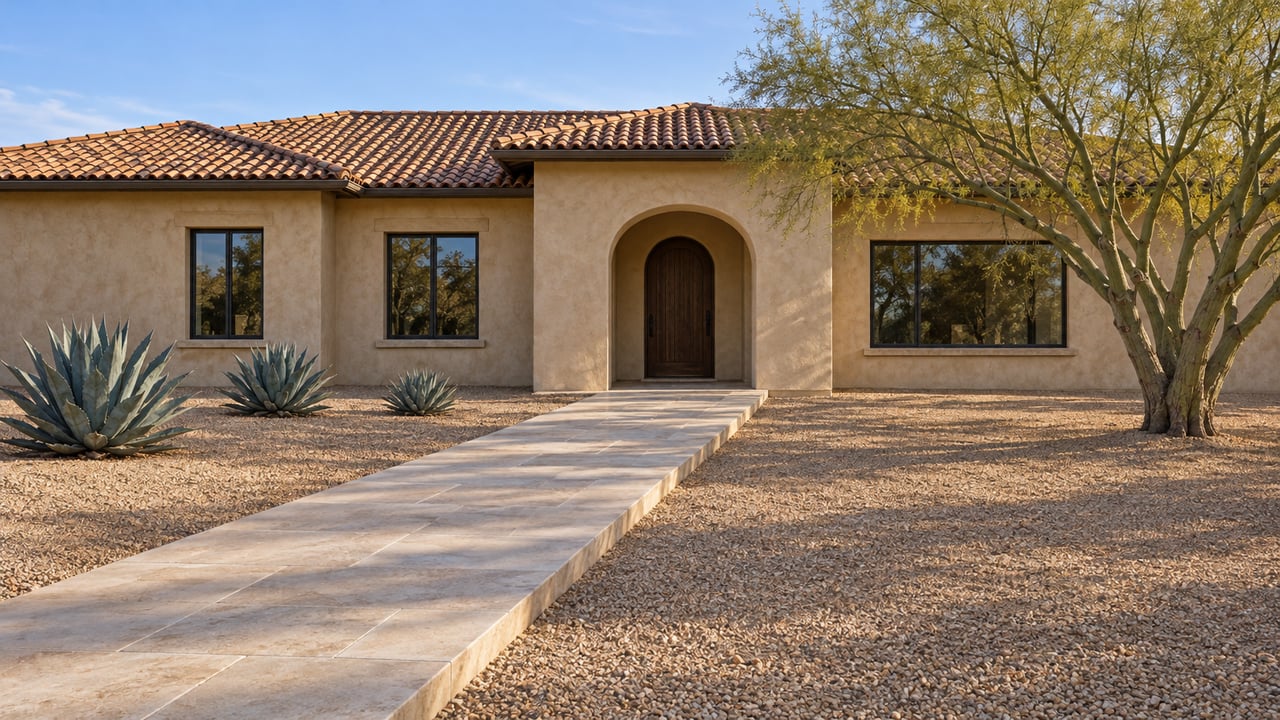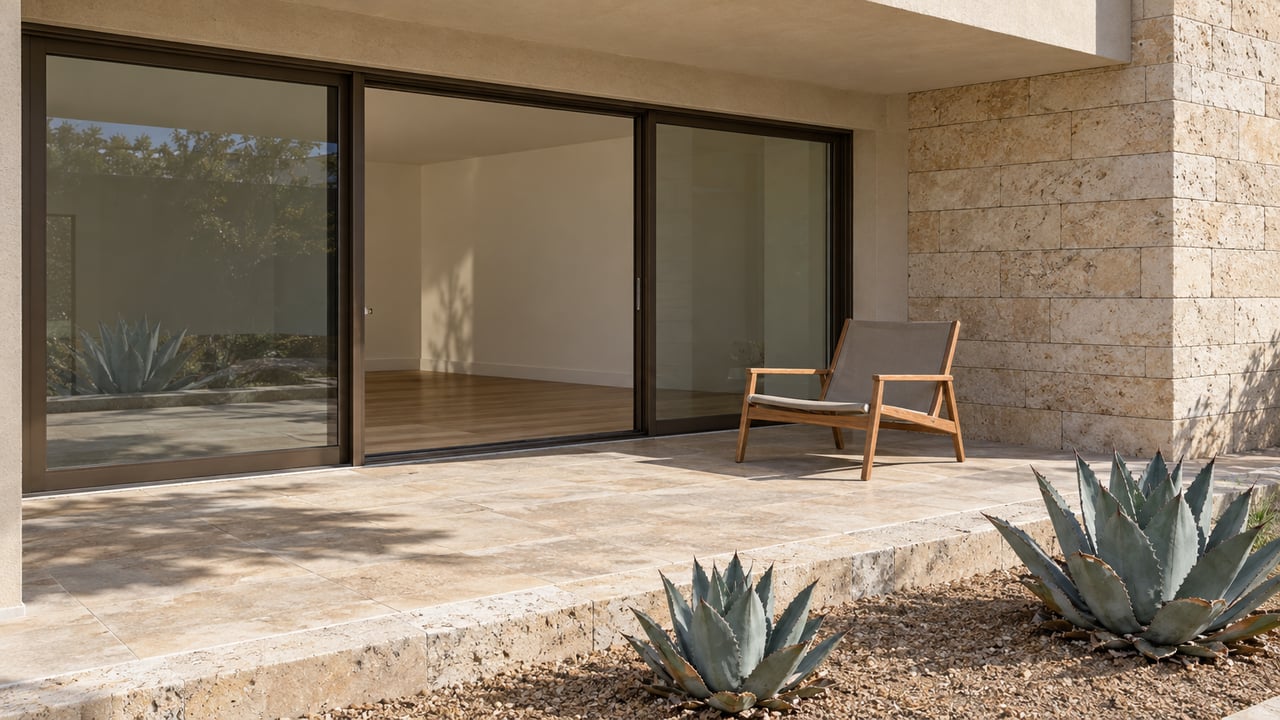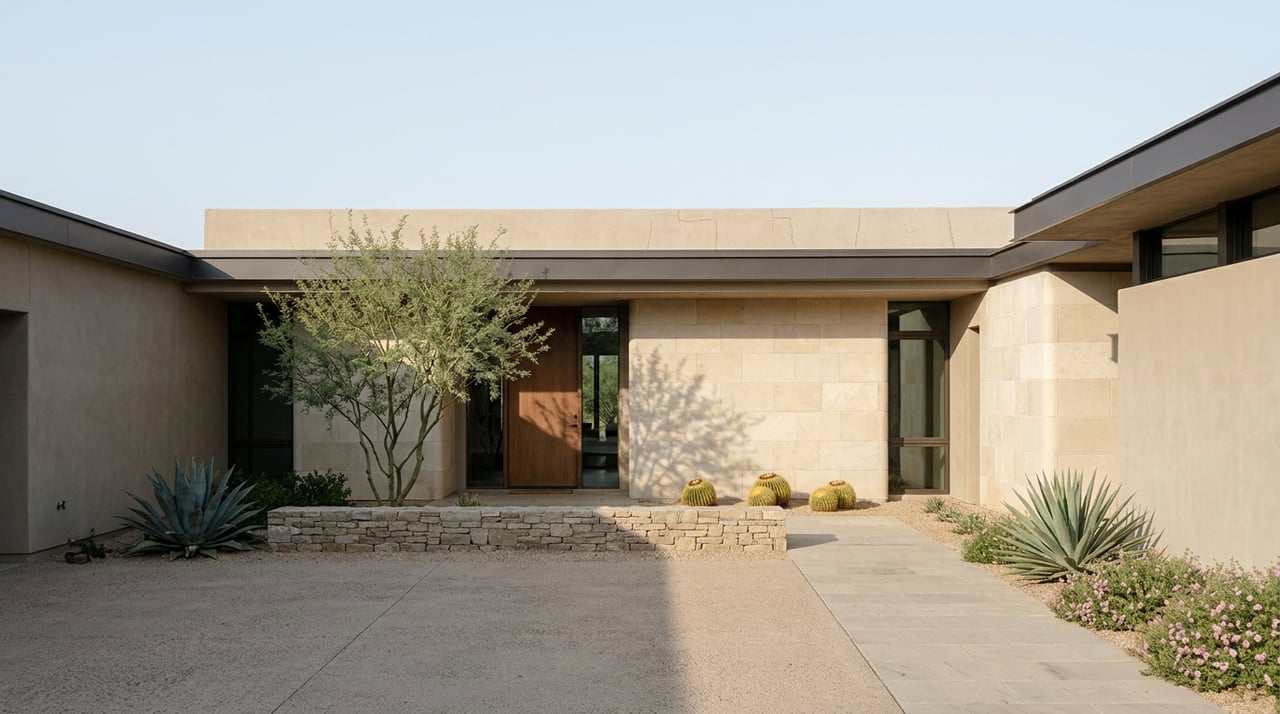
If your Phoenix luxury home is going on the market, one question matters more than any other: where should you price it to attract serious buyers without leaving money behind? That can feel especially tricky in a market where $1 million is no longer a clear finish line, buyer behavior changes by price band, and price reductions are common. The good news is that smart pricing is not guesswork. It comes from reading the market closely, understanding your home’s exact position, and launching with a strategy built for today’s conditions. Let’s dive in.
Phoenix Luxury Starts Higher Than Many Sellers Think
In Phoenix, luxury is better understood as a range of price tiers rather than a single number. Realtor.com’s 2026 data places the Phoenix-Mesa-Chandler median listing price at $498,000, with the 90th-percentile listing price at $1.45 million, the 95th percentile at $2.50 million, and the 99th percentile at $6.56 million.
That matters because a $1 million home may enter the luxury conversation, but it does not compete the same way as a $2.5 million or $6 million property. If you are pricing a luxury home in Phoenix, the question is not simply whether your property is “luxury.” The real question is which luxury tier you are in, because each tier has a different buyer pool, pace, and pricing sensitivity.
Today’s Phoenix Market Rewards Precision
The broader Phoenix single-family market has shifted into a more balanced environment. In May 2026, Phoenix REALTORS’ ARMLS-based report showed a median sales price of $485,000, an average sales price of $672,401, 73 days on market, 98.2% of list price received, 21,816 active listings, and 4.3 months of inventory.
That does not mean homes are not selling. Closed sales were up 4.6% year over year. But pending sales were down 29.0% and new listings were down 12.6%, which points to a market that is active yet far less urgent than the pandemic-era rush.
For luxury sellers, this backdrop changes the pricing playbook. Realtor.com’s June 2026 metro data also showed that 28.7% of active listings in Phoenix-Mesa-Chandler had price cuts, the highest share among major metros tracked. In plain terms, the market is moving, but it is less forgiving of overpricing.
Why Micro-Location Matters So Much
Luxury pricing in Phoenix is highly local. A broad citywide average can give you context, but it should not be the foundation of your list price.
Recent comparable sales matter most when they match your home’s micro-location, lot profile, architecture, privacy, views, and condition. A home in one pocket of Phoenix may compete with a very different buyer set than a similar-sized home just a few miles away.
You can see that clearly when comparing nearby premium areas. In May 2026, Scottsdale posted a median sales price of $1.208 million, 83 days on market, and 96.5% of list price received. That gap from Phoenix’s broader numbers is a strong reminder that local expectations can change quickly from one submarket to another.
For many luxury sellers, that means your best comp set should stay tight. It should focus on homes that feel interchangeable to a buyer, not just homes that happen to share your ZIP code or square footage range.
Price Band Changes Buyer Behavior
Not all luxury buyers shop the same way. Phoenix luxury works more like a ladder, and each rung tends to move at its own pace.
A Maricopa County luxury report from 2025 showed expected market times of about:
- 111 days for homes priced from $1 million to $1.5 million
- 143 days for homes priced from $1.5 million to $3 million
- 345 days for homes above $3 million
The lesson is simple: as price rises, the buyer pool gets smaller and timing usually gets longer. That does not mean a higher-end home cannot sell well. It means your pricing needs to be even more disciplined because there are fewer buyers ready, willing, and able to act.
National 2026 luxury data also showed that cash purchases become more common as prices increase. Cash accounted for 46.5% of $1 million to $2 million sales, 64.4% of $2 million to $5 million sales, and 84.7% of $5 million to $10 million sales. In the upper tiers, buyers may be less mortgage-sensitive, but they are often highly selective.
Features That Can Support Stronger Pricing
Luxury buyers in Phoenix are not only comparing square footage and bed count. They are evaluating how a home lives, how it presents, and how well it fits the desert lifestyle they want.
Redfin’s Phoenix Home Trends analysis found that features associated with stronger sale-to-list performance in winter 2025 included large windows, glass sliding doors, concierge, plantation shutters, and golf. Its Phoenix feature tracking also highlights large covered patios, outdoor kitchens, resort-style pools, separate guest houses, large lots, and mountain views.
For sellers, this means presentation is not separate from pricing. It is part of pricing. If your home offers standout indoor-outdoor living, privacy, or a rare lot setting, those strengths may help justify a stronger price position within the right comp band.
What Overpricing Looks Like in This Market
In a market with frequent price cuts, overpricing usually shows up fast. The first wave of attention after your home hits the market is often the most valuable, especially in luxury where buyers and their agents watch new inventory closely.
When the price is too aggressive, you may see early showings without real traction, limited second visits, and no credible offers. As days on market rise, buyers often start to assume there is a problem, even when the issue is simply price.
That is why testing the top of the range can backfire. In today’s Phoenix market, a strong initial price often creates more leverage than a high starting point followed by reductions.
How to Price a Phoenix Luxury Home Strategically
A smart pricing strategy usually balances data, competition, and presentation. It is not about chasing the highest number on paper. It is about identifying the price that gives your home the best chance to stand out and earn serious attention early.
Here are the key factors to weigh:
- Fresh comparable sales in the same micro-market and price band
- Current competition, including active listings and recent price reductions
- Your home’s tier, whether it sits closer to entry luxury, mid-luxury, or a rarer top segment
- Lot, views, privacy, and architecture, which often matter as much as square footage
- Condition and readiness, including how well the home shows in person and through photography
- Timing, since longer expected market times are common at higher price points
In many cases, the best list price is the one that feels credible to buyers the moment they compare your home against the strongest alternatives.
Why a Consultative Approach Matters
Luxury pricing is rarely a plug-and-play exercise. Two homes with similar square footage can command very different results based on location, design, lot setting, and how they enter the market.
That is why consultative pricing matters. A seller benefits most from a strategy built around the home’s exact competitive position, not a broad rule of thumb or an outdated benchmark like a flat $1 million luxury cutoff.
For Phoenix-area sellers in the $1 million to $3 million-plus range, that often means pairing valuation strategy with thoughtful marketing. Professional photography, virtual tours, and strong positioning can support the story your price is telling, but only when that price is grounded in what today’s buyers are actually doing.
The Bottom Line on Pricing in Phoenix Luxury
If you are selling a luxury home in Phoenix, the market is telling you to be sharp, local, and realistic. Luxury is not one fixed number here. It is a series of tiers, and each one behaves differently.
The sellers who tend to perform best are the ones who price from the freshest comps, stay tightly focused on true competitors, and treat the first days on market as a major opportunity. In a market where price reductions are common, careful pricing is not conservative. It is strategic.
If you want tailored guidance on where your home fits in today’s Phoenix luxury market, Kapanicas Group offers a relationship-first, data-driven approach to valuation, pricing, and high-end listing strategy.
FAQs
What price range counts as luxury in Phoenix today?
- In Phoenix, luxury is better viewed by percentiles and price bands than by one fixed cutoff. Current data shows the 90th-percentile listing price at $1.45 million, the 95th percentile at $2.50 million, and the 99th percentile at $6.56 million.
How long does it take to sell a Phoenix luxury home?
- Timing depends heavily on price band. Recent Maricopa County luxury data showed expected market times of about 111 days for $1 million to $1.5 million homes, 143 days for $1.5 million to $3 million homes, and 345 days for homes above $3 million.
Why is micro-location so important when pricing a Phoenix luxury property?
- Micro-location matters because buyer expectations, competition, and value can shift quickly within the metro. Nearby submarkets like Scottsdale show meaningfully different pricing and market pace than Phoenix overall, which is why tight, local comp sets are so important.
Should you price a Phoenix luxury home high and reduce later if needed?
- In today’s market, that approach can be risky. With a high share of active listings taking price cuts across Phoenix-Mesa-Chandler, realistic initial pricing is often more effective than starting high and chasing the market later.
What home features can help support stronger luxury pricing in Phoenix?
- Features tied to stronger performance in Phoenix include large windows, glass sliding doors, plantation shutters, golf-related appeal, large covered patios, outdoor kitchens, resort-style pools, guest houses, large lots, and mountain views.